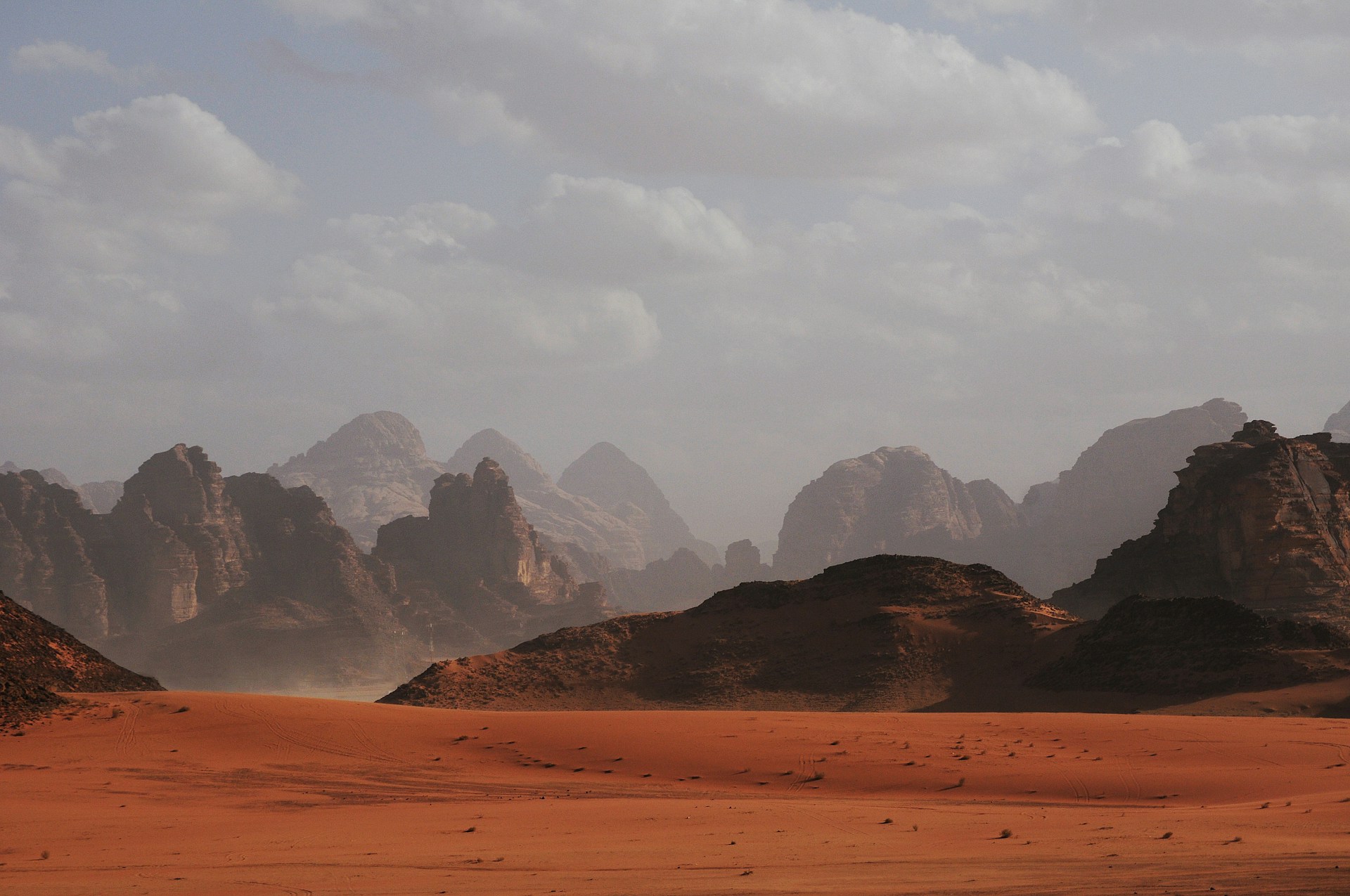
Amman, Ghor El-Safi, Wadi Rum
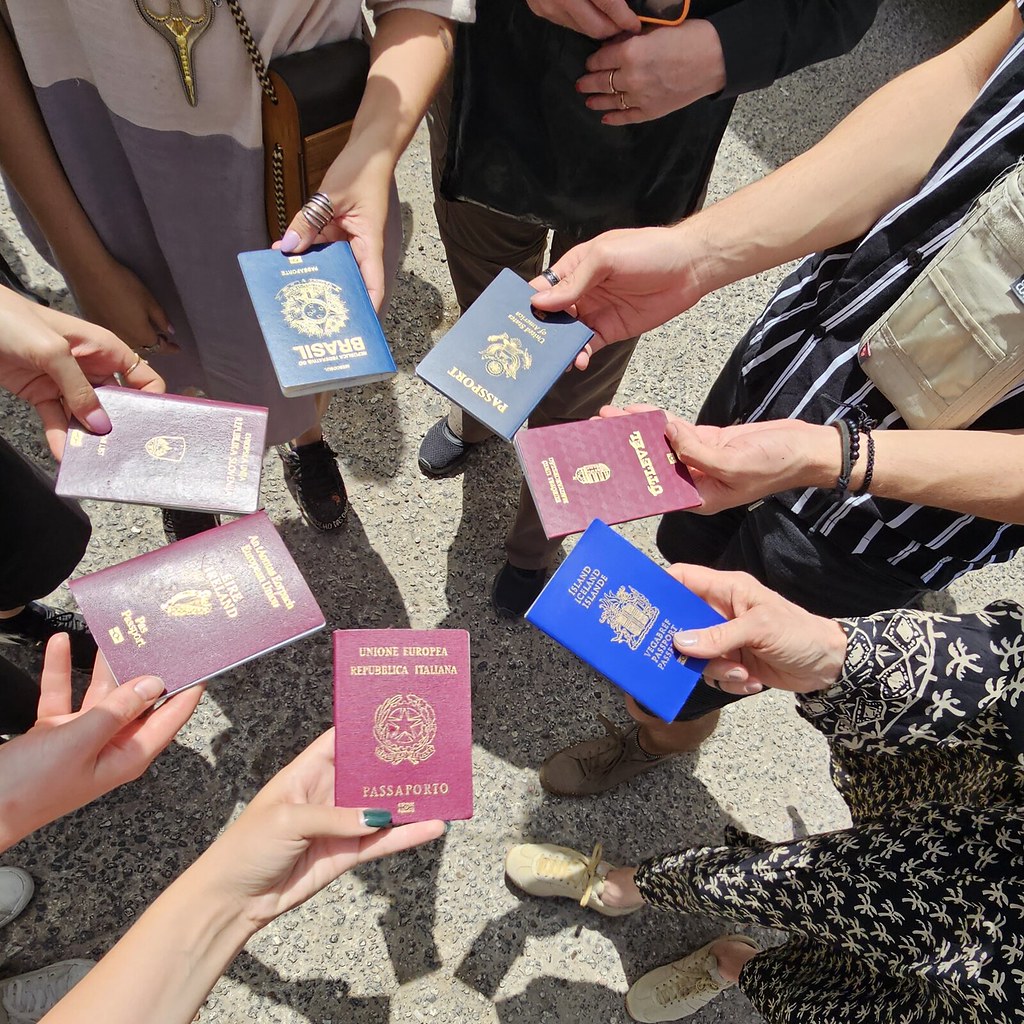
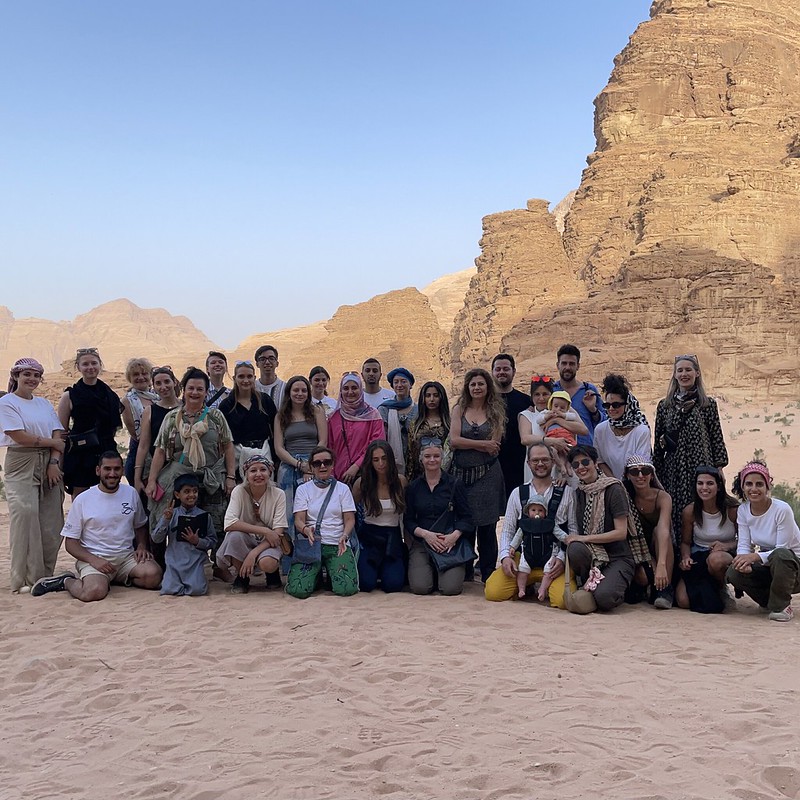
The Textile Academy Bootcamp’s journey through Jordan 🇯🇴 brought together 30+ participants from more than 15 countries, for an immersive experience exploring the intersection of textiles, digital fabrication, local heritage and material innovation.
Through hands-on workshops, visits to cultural institutions and encounters with local artisans, participants explored Jordan’s rich textile traditions and learned directly from local communities while experimenting with new approaches to sustainable design.
From natural dyes and biomaterials to circular fashion and digital fabrication, the program connected local knowledge with contemporary practices, opening up new perspectives on the future of textiles.
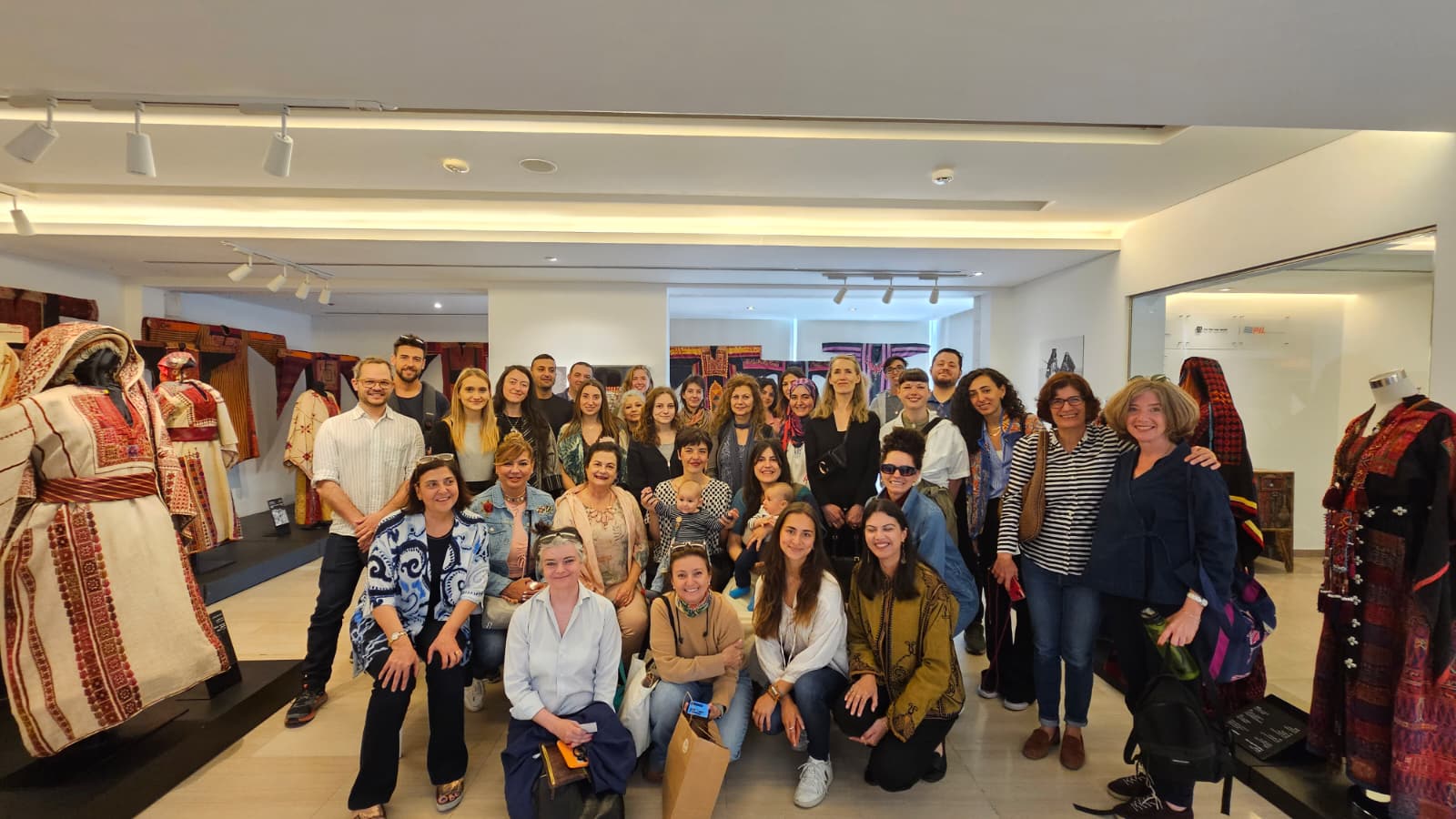
Fabricamp Jordan 2023 was an opportunity to discover, make and exchange knowledge across disciplines and cultures, strengthening the connection between textile heritage, circular design and material innovation.
Made possible through local partnerships with CPF Makerspace and ZINC, Zain.
Highlights from Jordan 2023
📍 The Makerspace, Amman — Circular Fashion & Digital Fabrication
The bootcamp kicked off at its main activity location, CPF Makerspace in Amman, an initiative of the Crown Prince Foundation. It is an open laboratory and coworking space for the people of Amman and home to the Fabricademy node in Jordan.
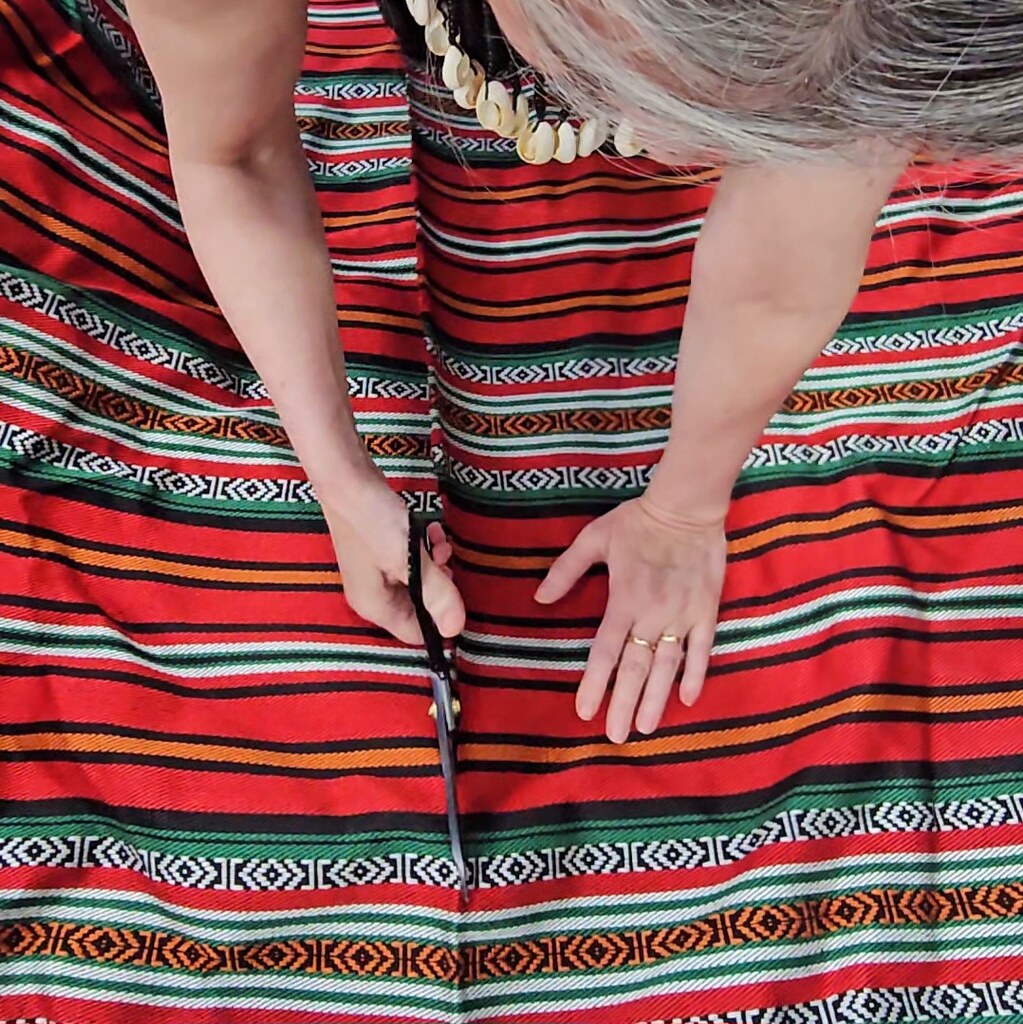
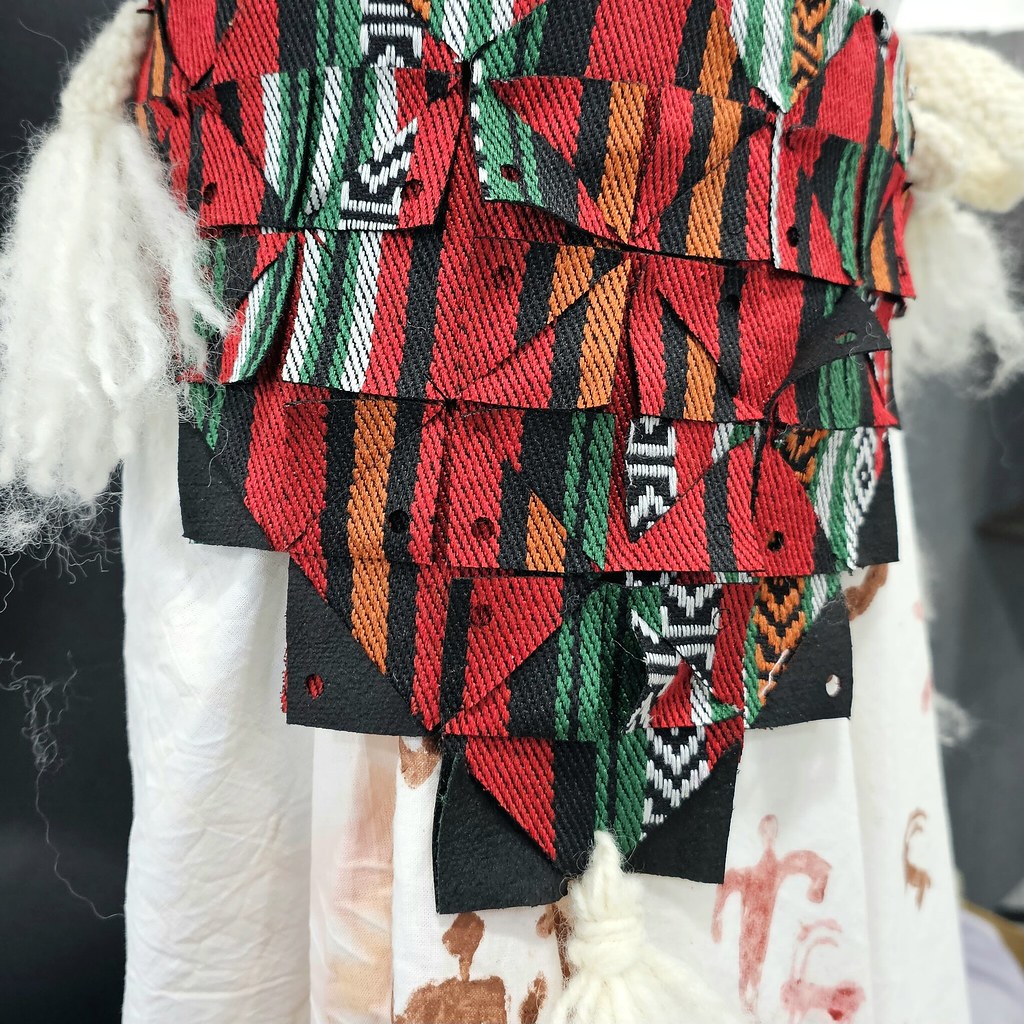
During the first hands-onworkshop with Claudia Simonelli, participants explored the topic of Circular Fashion combining digital design, material experimentation and alternative approaches to garment construction while learning how to use a laser cutter.
The workshops introduced strategies for rethinking textile waste and extending the life of garments through modular design, reuse and reconfiguration, connecting contemporary design methods and parametric design with local Arabic patterns and structures.
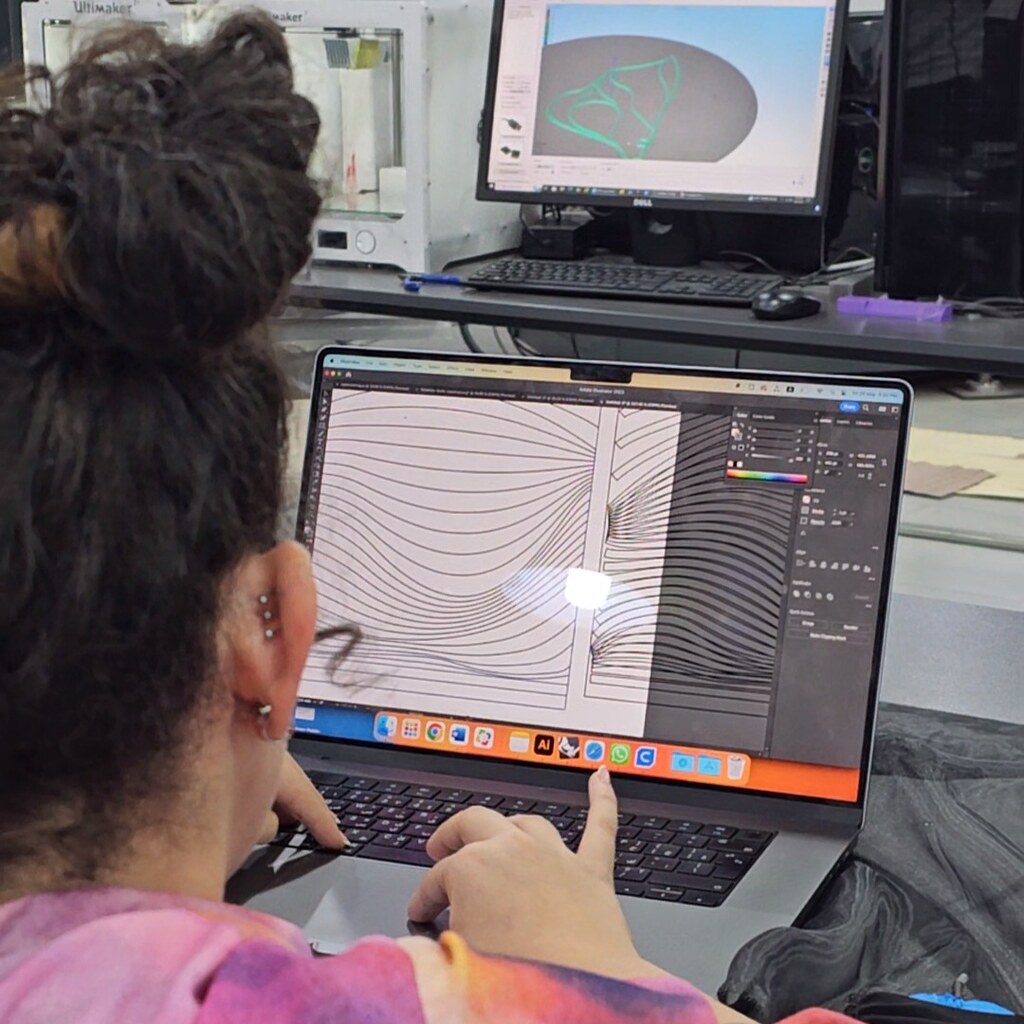
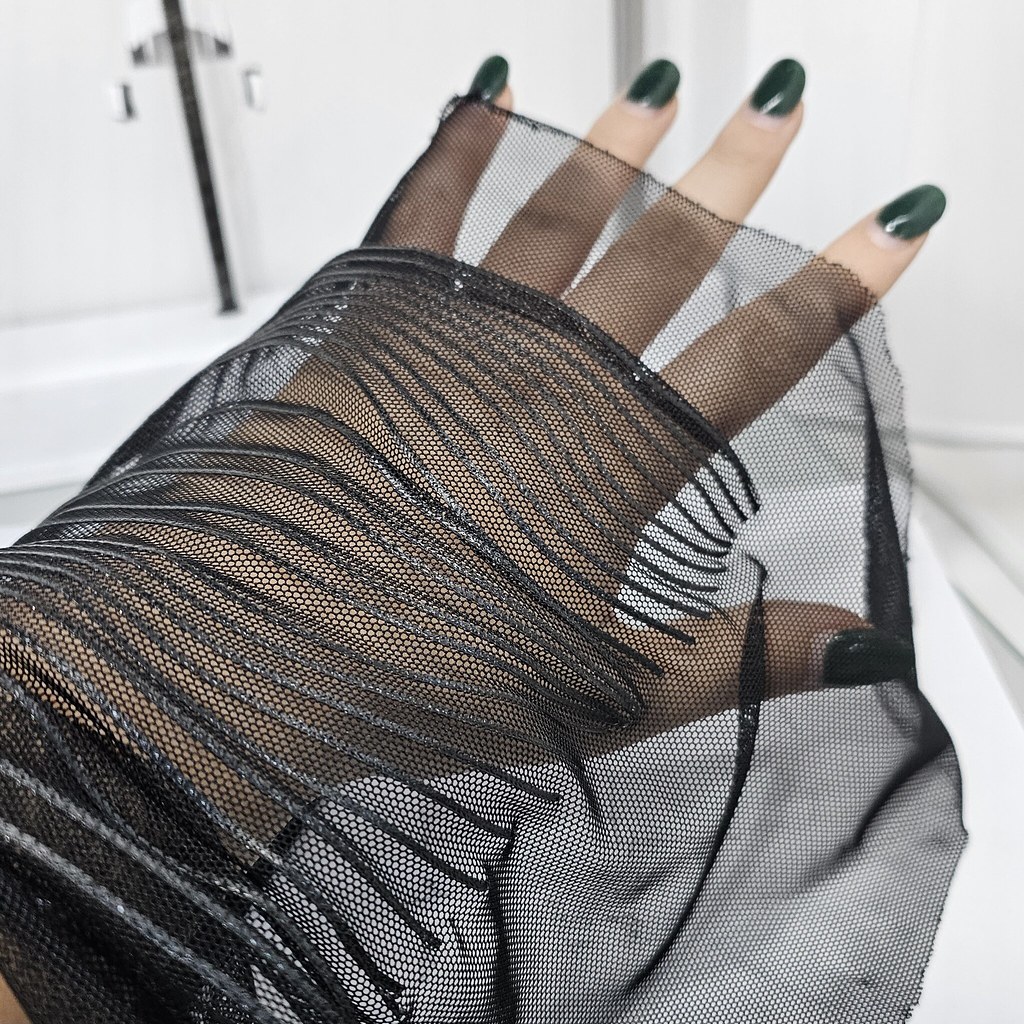
In the afternoon, a demonstration of 3D printing on fabrics, with Anastasia Pistofidou, showcased the many possibilities of this technology, inviting participants to build on their previously developed designs and adapt them to a new fabrication process. They explored how to create flexible, stretchable structures that could be 3D printed onto textiles, or 3D printed as fabrics for novel applications.
📍 Tiraz — Museum of Arab Dress, Amman
Tiraz, the largest museum of Palestinian dress in Amman, hosted the participants on the second day of the bootcamp.
A private tour was organized with the curator to explore the history behind the garments, fabrics, natural dyes and materials traditionally used in textiles, including a selection of natural dyes from the Levant and the wider MENA region.
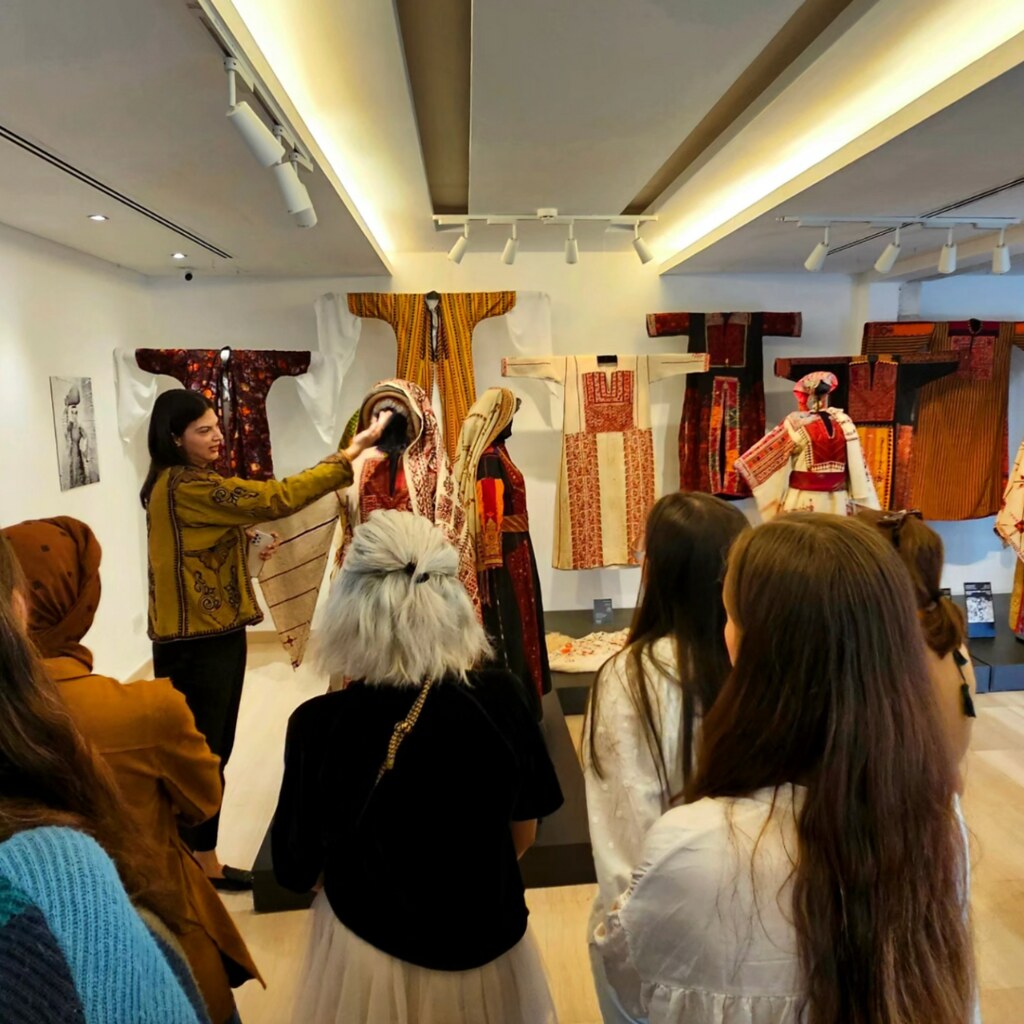
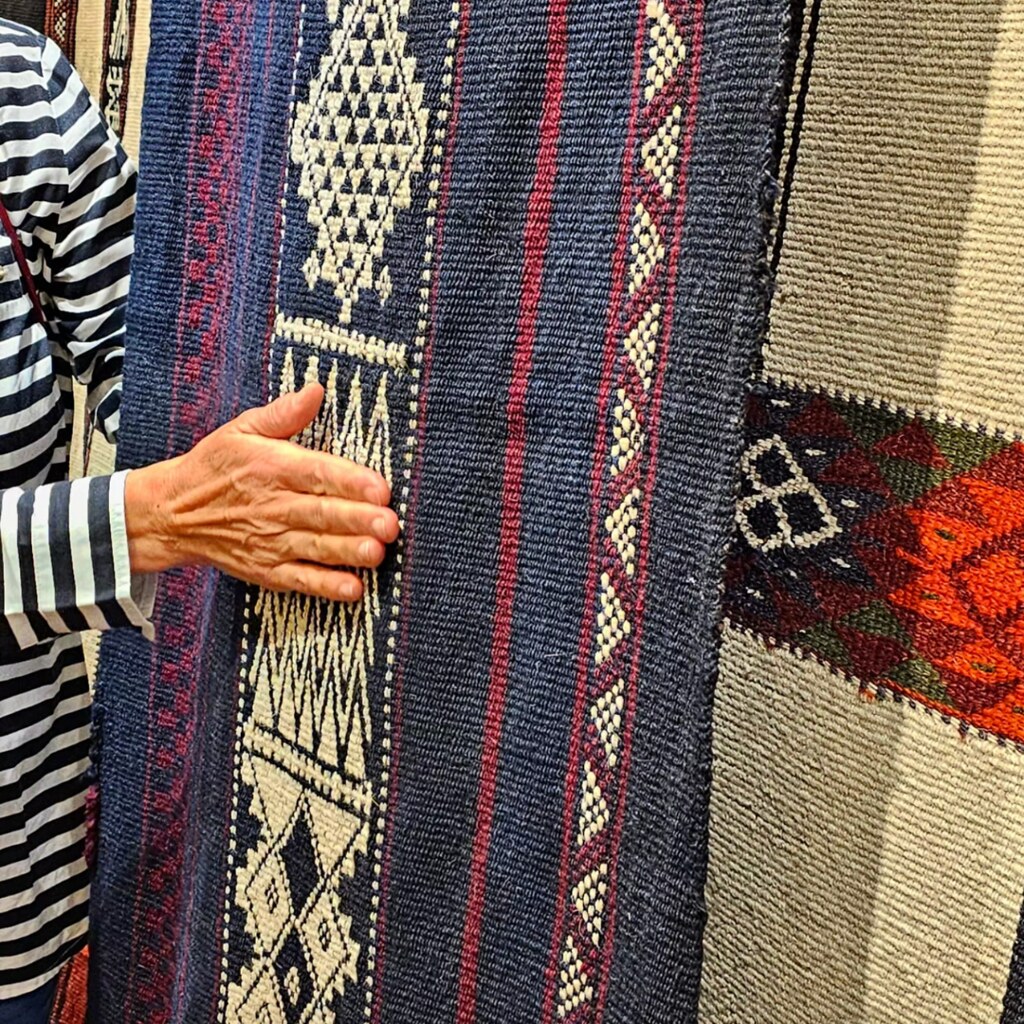
Through its collection of garments, embroidery and regional textile traditions, the museum provided valuable insights into the techniques, symbolism and cultural identities expressed through clothing.
The visit encouraged participants to look more closely at textiles as carriers of memory, identity and craftsmanship, offering inspiration for projects that connect cultural heritage with contemporary design.
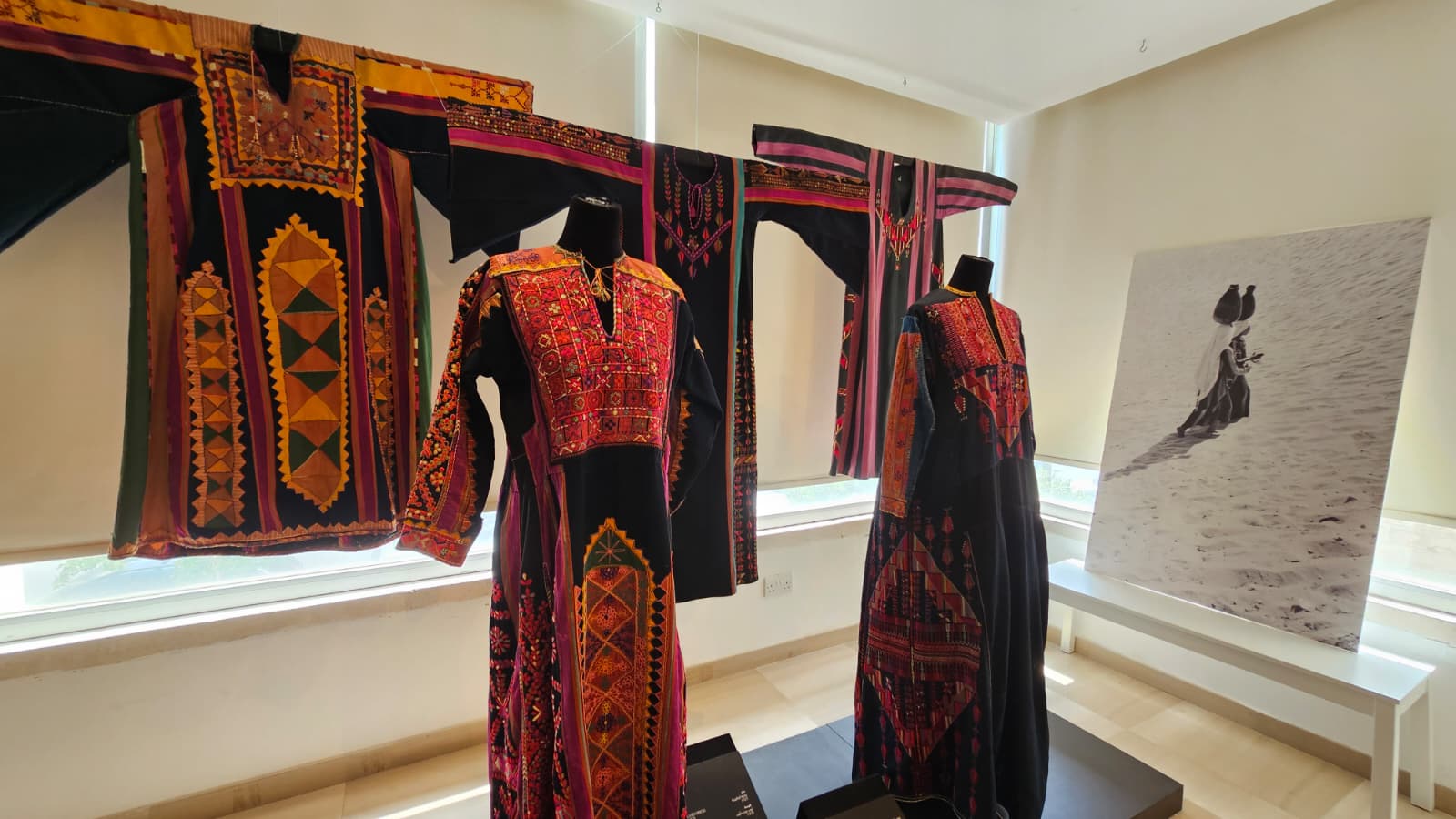
Tiraz is the home of the most complete collection of Palestinian, Jordanian and other Arab costumes from the 19th and 20th centuries, with over 2000 costumes and weavings. It is a Jordan-based institution dedicated to preserving the Widad Kawar Collection and promoting the vibrant cultural heritage of Palestine, Jordan and wider Arab living traditions.
📍 Natural Dyes & Biomaterials — Hands-on Workshops
Back at the lab, guided by Cecilia Raspanti, participants explored the potential of locally available resources as alternatives to conventional dyeing.
They prepared natural dye baths for dyeing wool and local fibers as well as bio-inks for textile and creative applications.
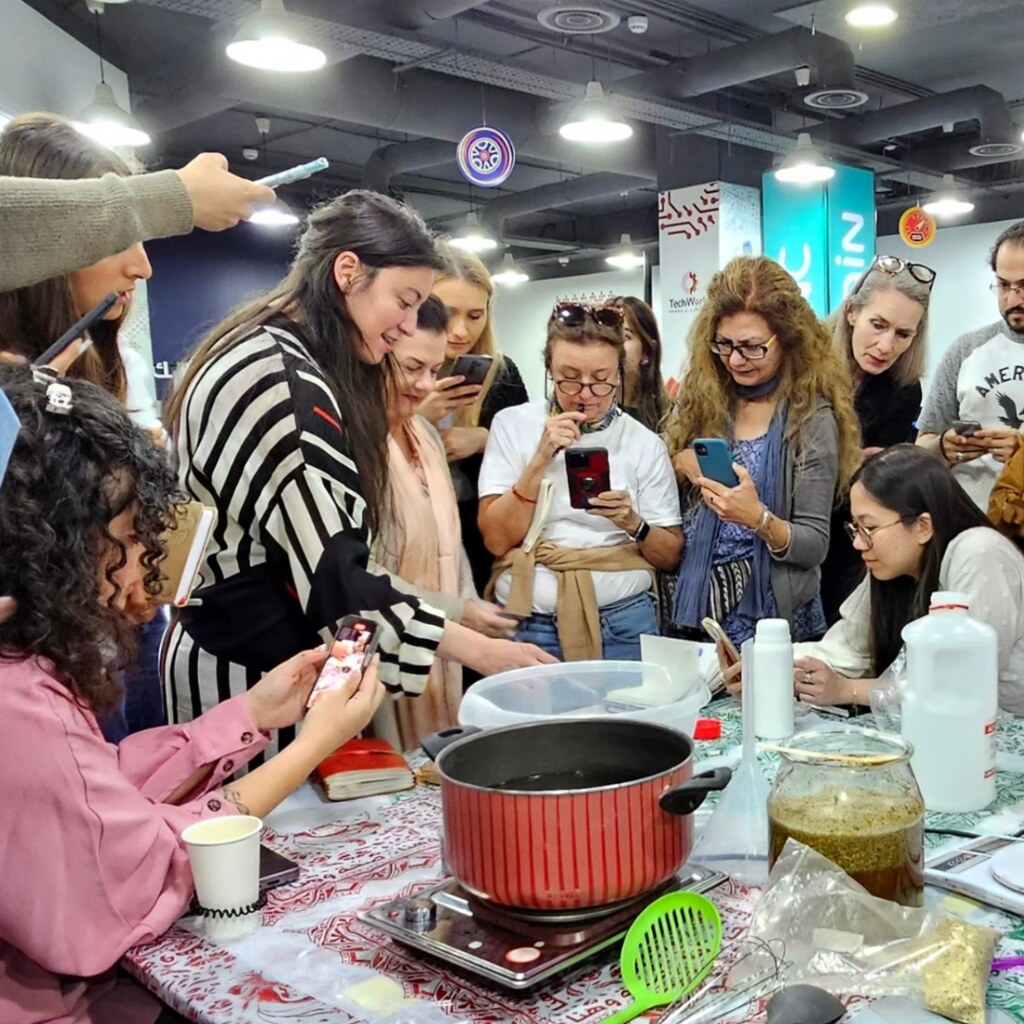
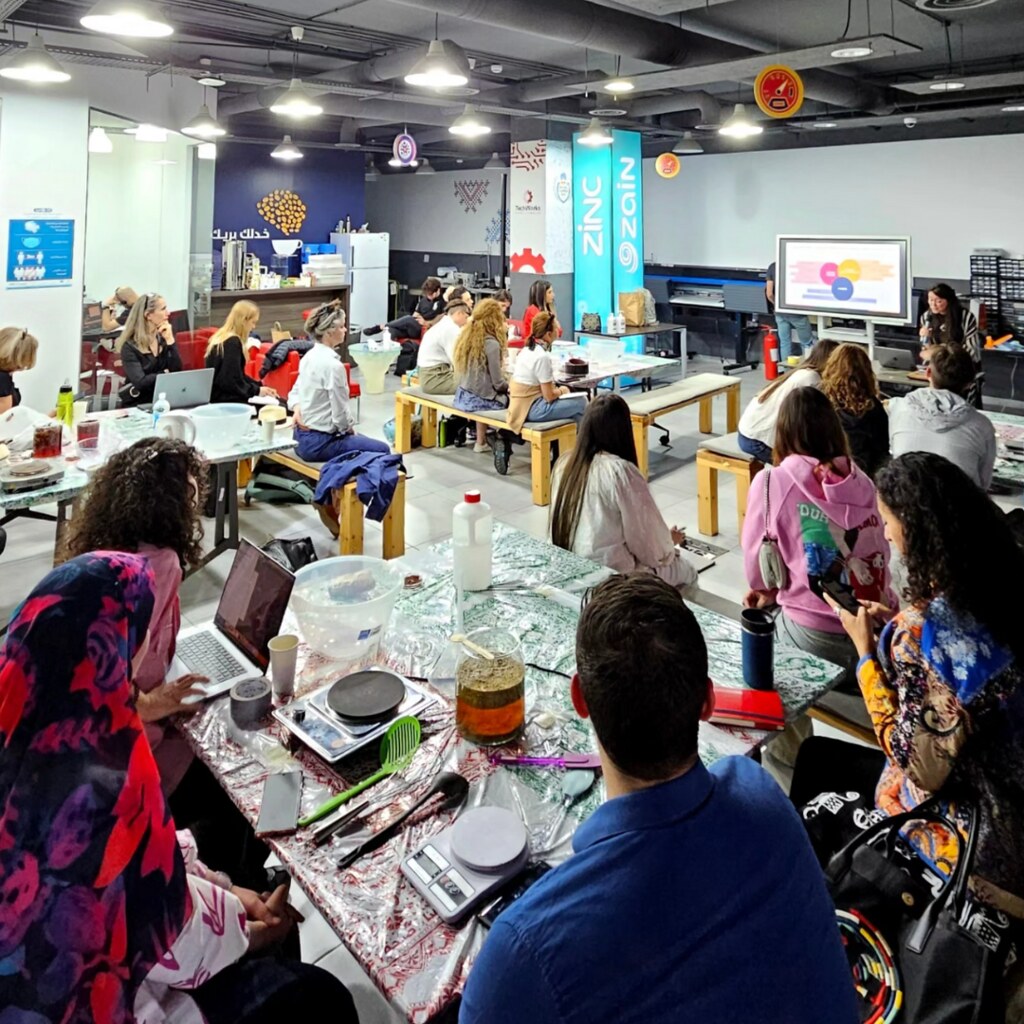
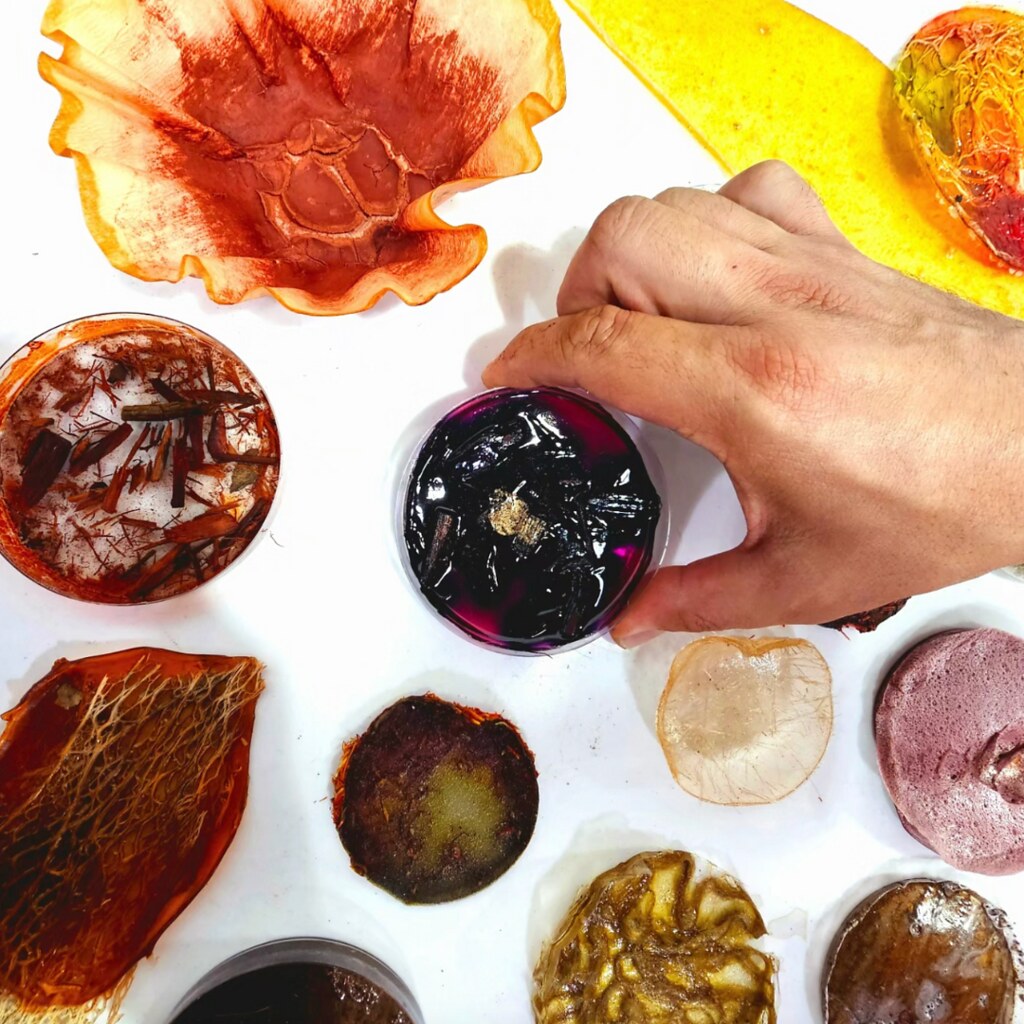
In the afternoon the workshop evoled into biomaterials.
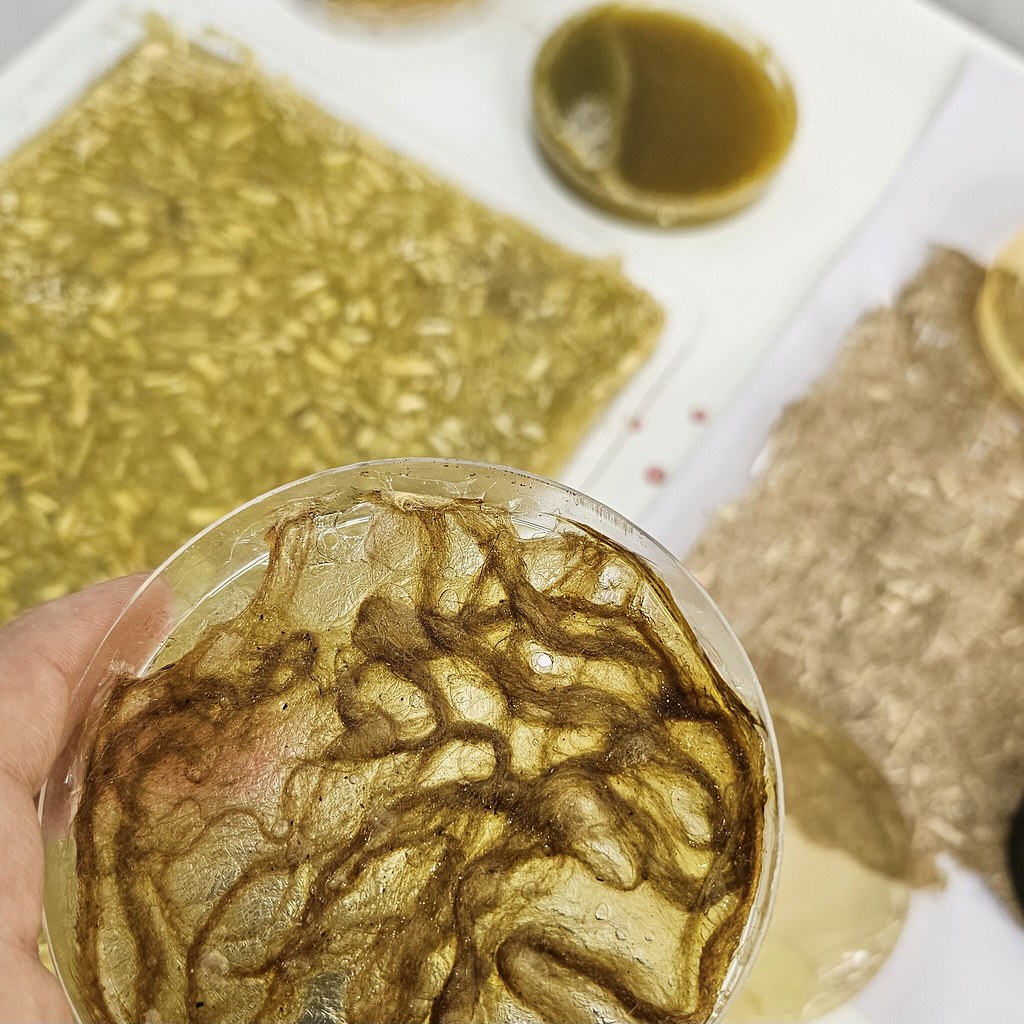
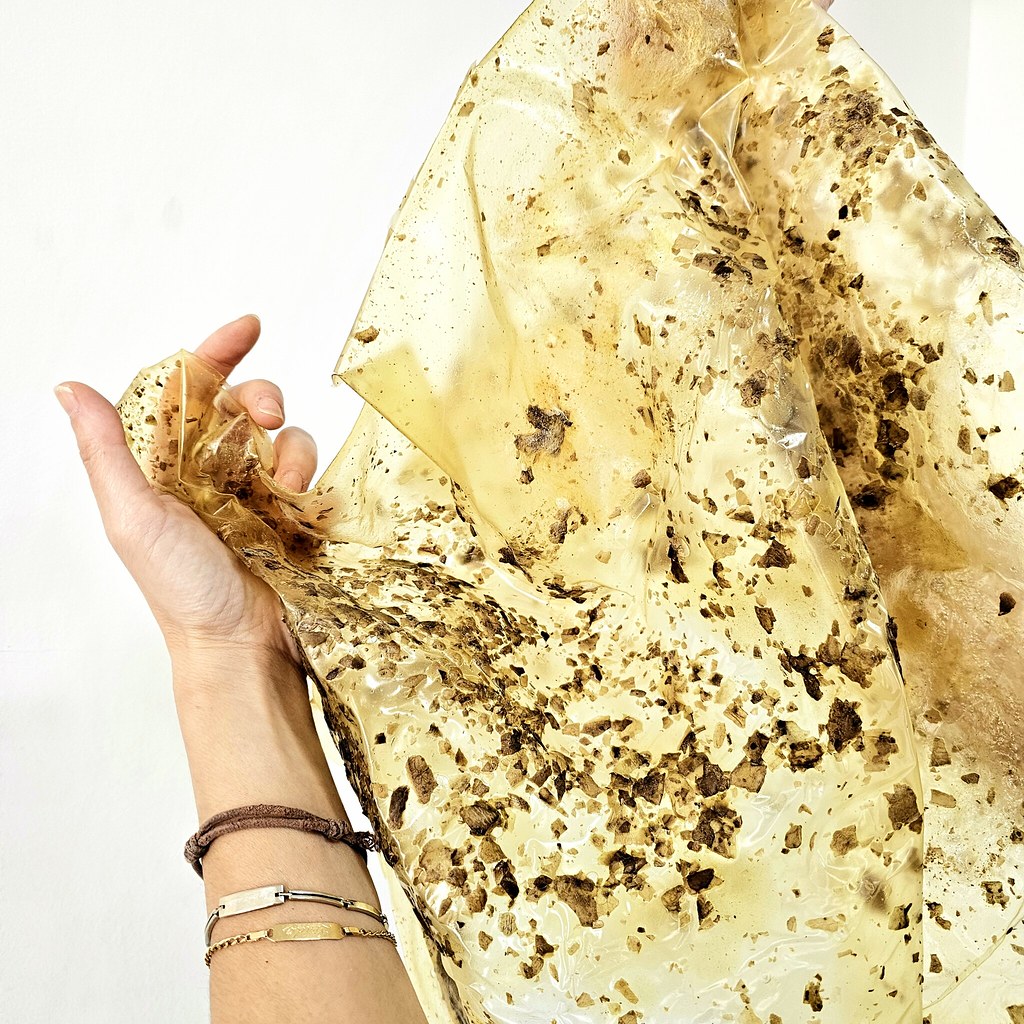
Participants recycled dyebaths ito bio-materials, experimenting with different biopolymers and additives, collected from the local environment.
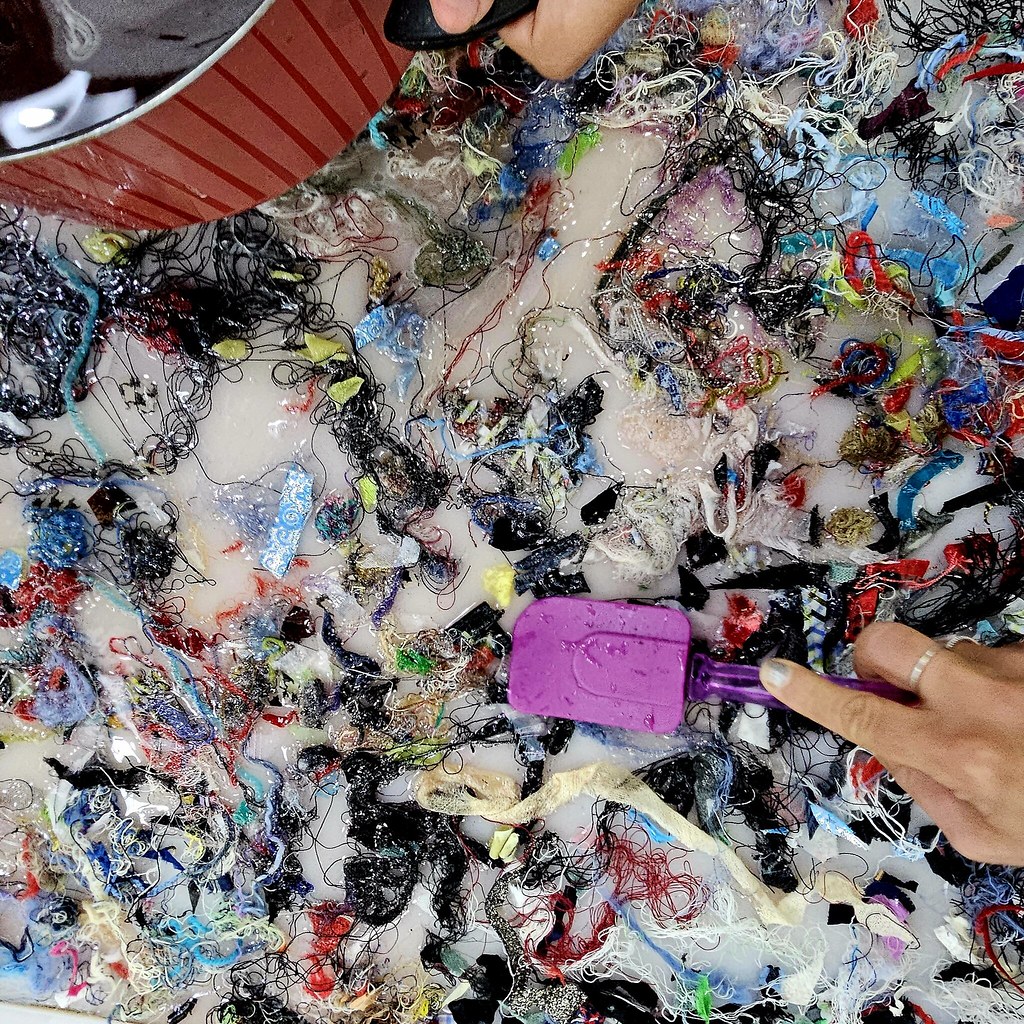
They included foodwaste, agriculture waste, local fibers and textile waste.
📍 Trip to Safi — Indigo Dyeing with the Safi Crafts Community
The participants travelled by bus from Amman to Safi Crafts, a UNESCO-funded project where a community of women introduced them to the art of indigo dyeing and madder-root dyeing, sharing traditional textile knowledge from the area.
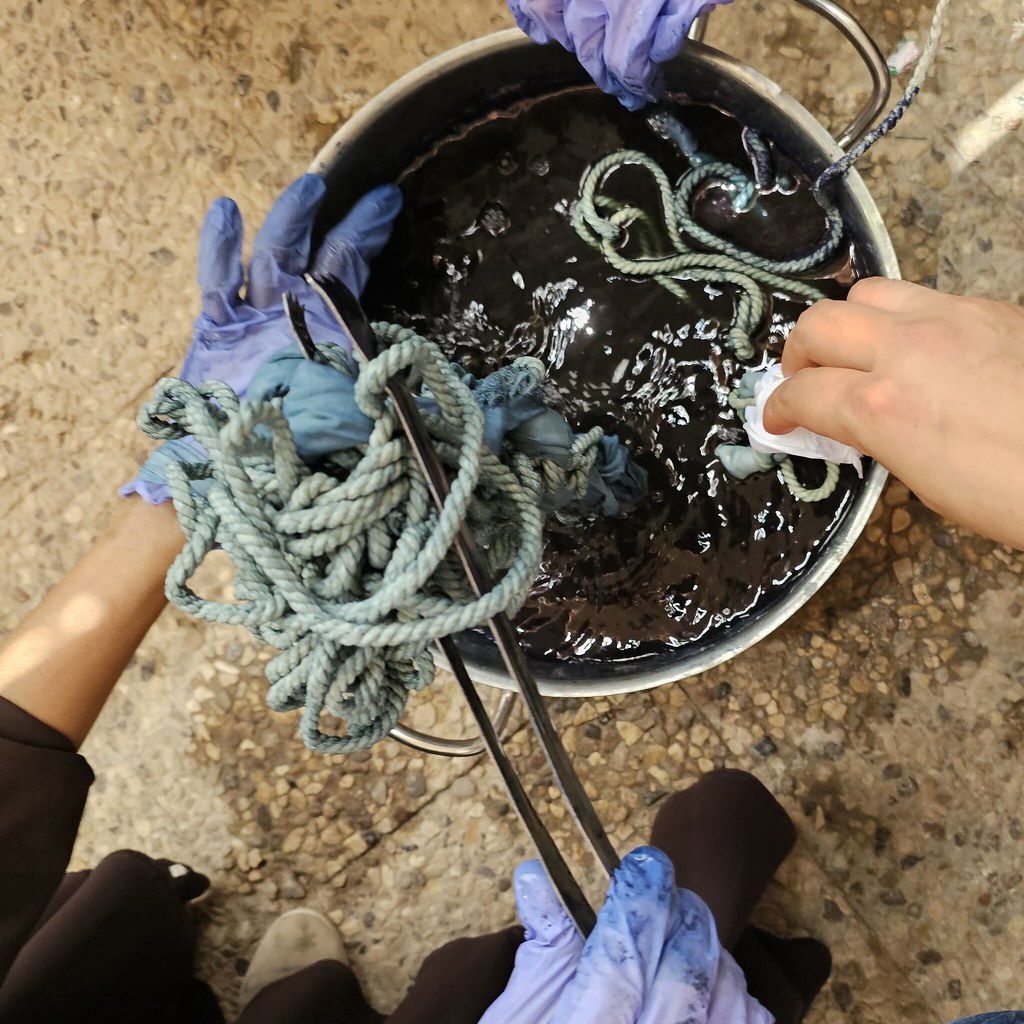
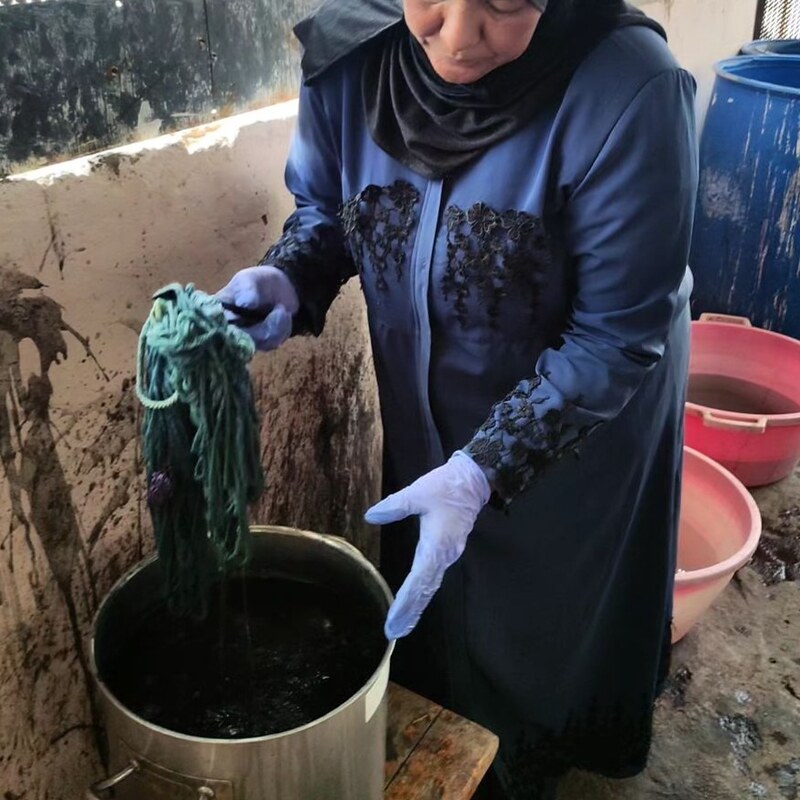
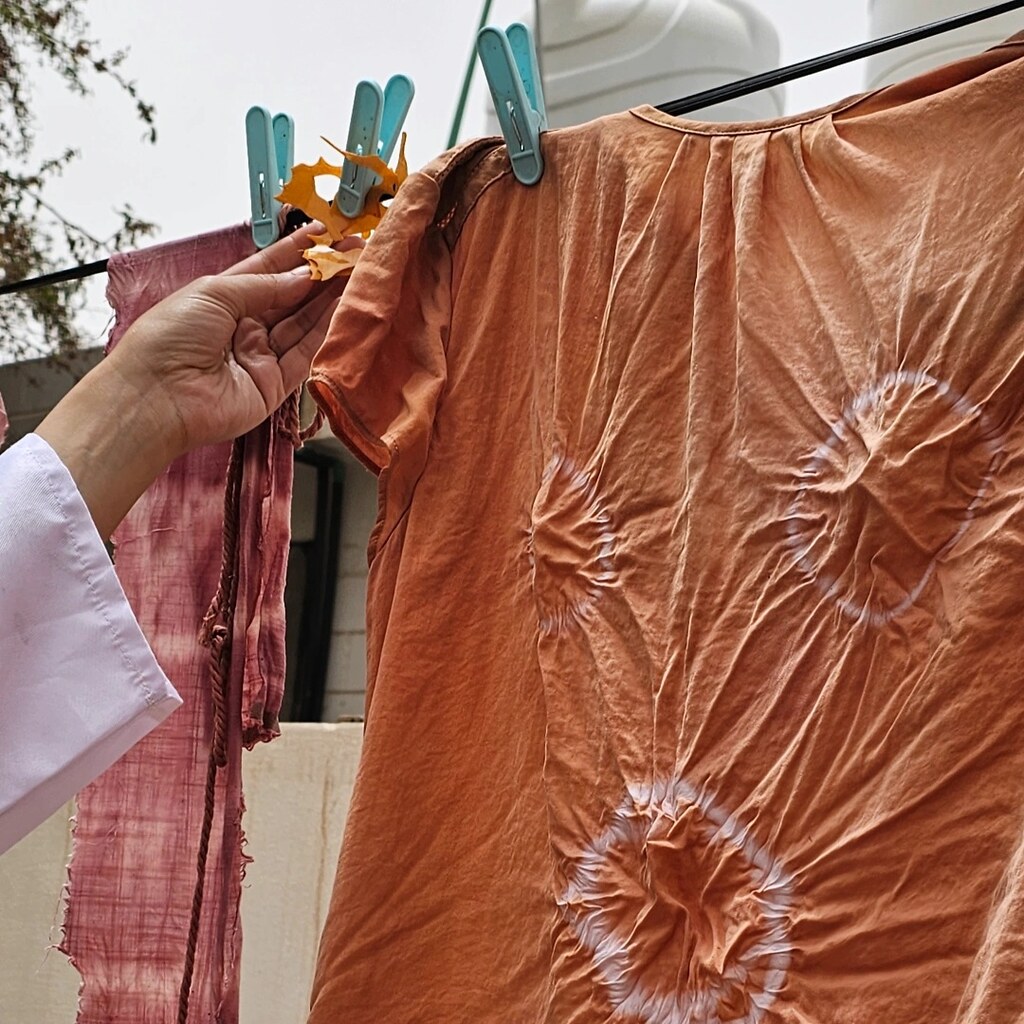
The experience offered an opportunity to engage directly with local artisans, discover the processes behind indigo’s dyeing and understand the cultural significance of craft practices rooted in such a place and community.
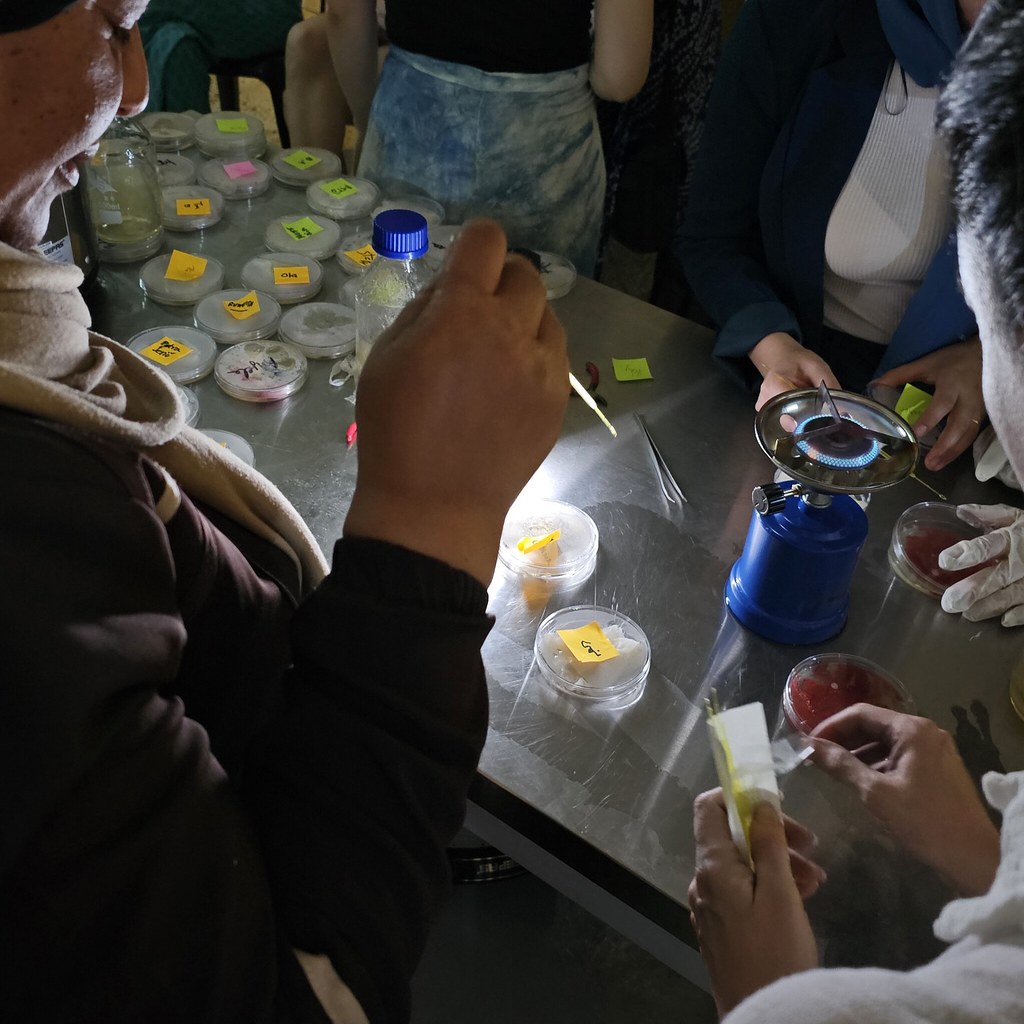
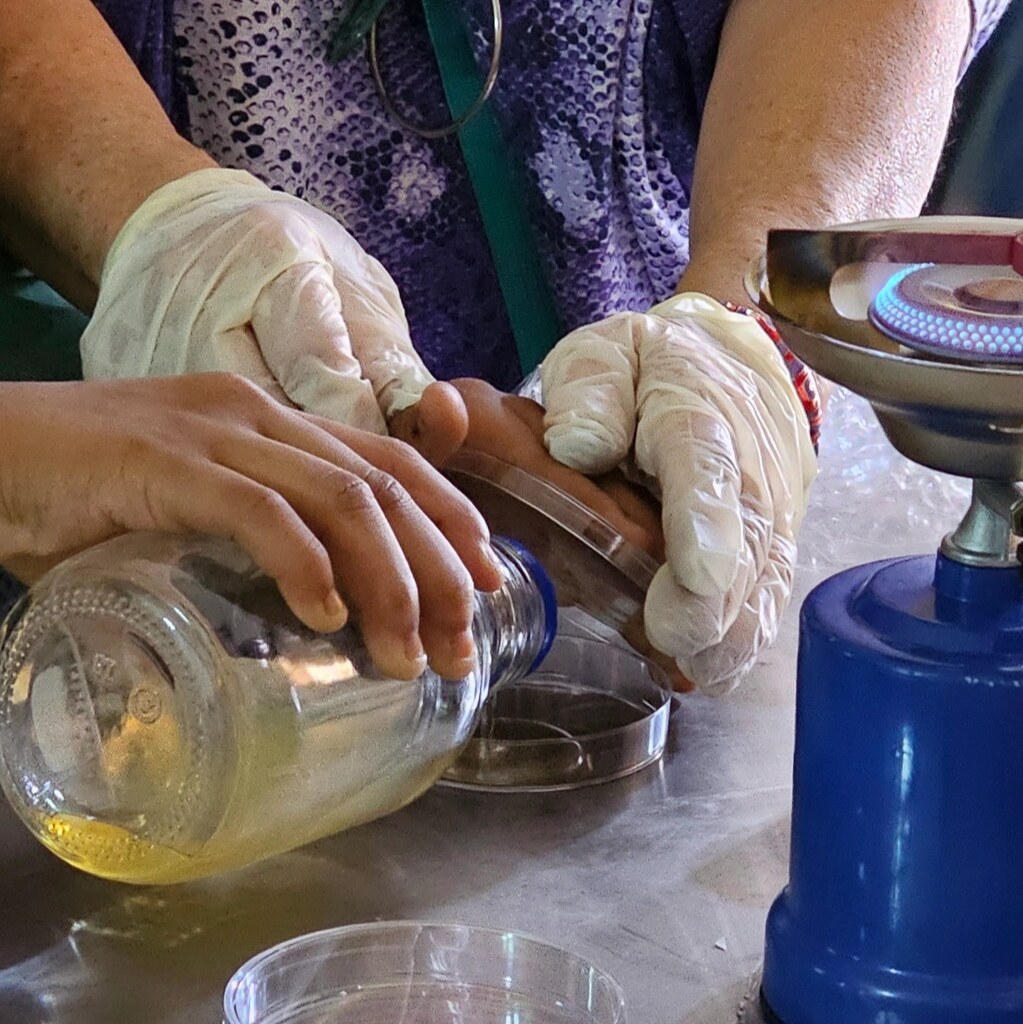
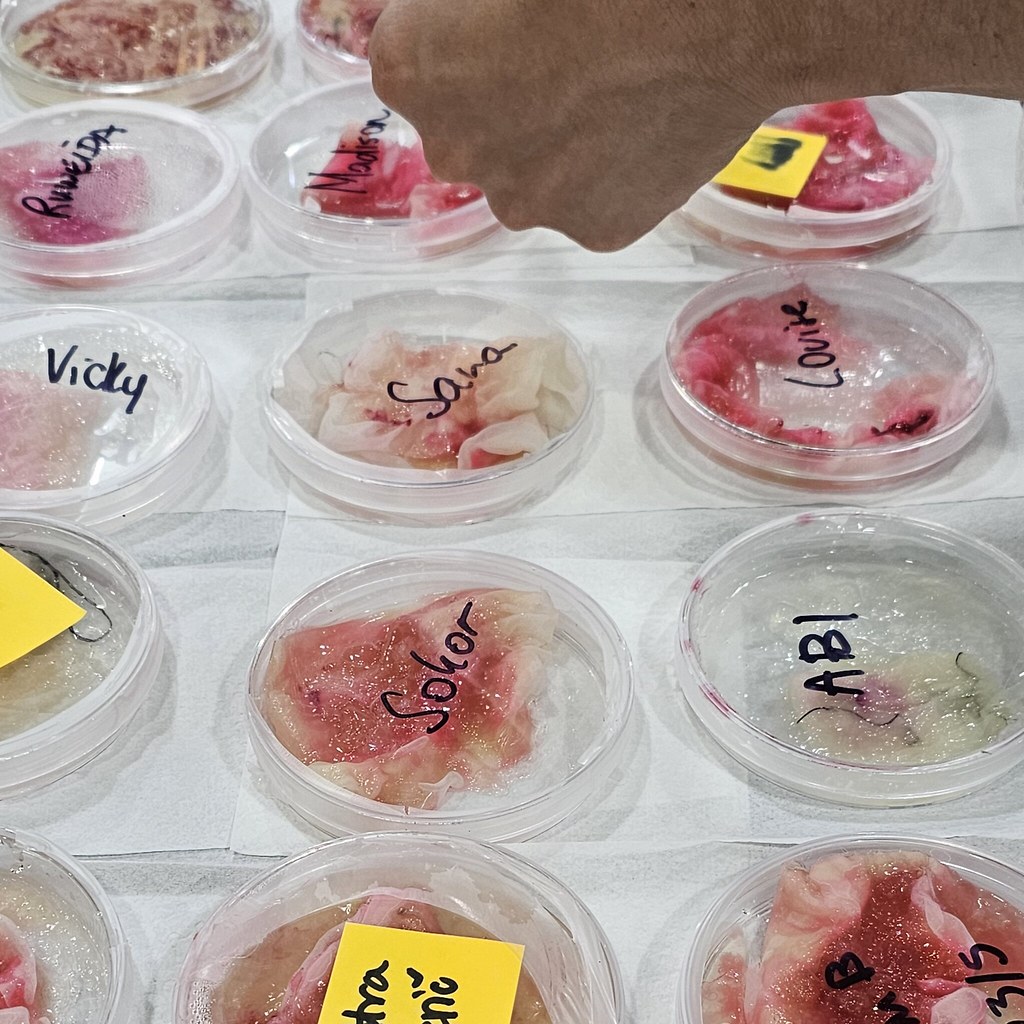
Learning through making and exchanging knowledge was central to the experience. Fabricademy also organized an on-site workshop on bacterial dyeing, during which Cecilia Raspanti guided participants through the process of dyeing silk using living bacteria.
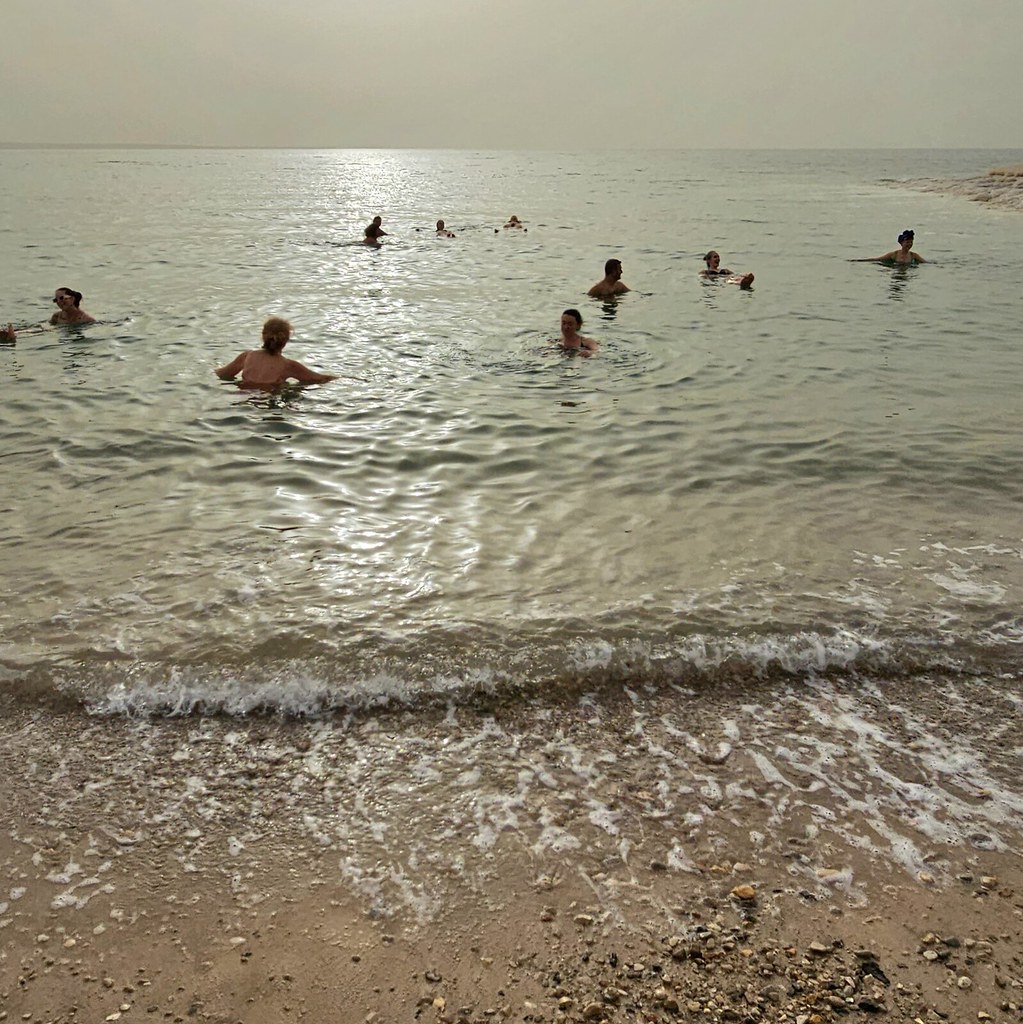
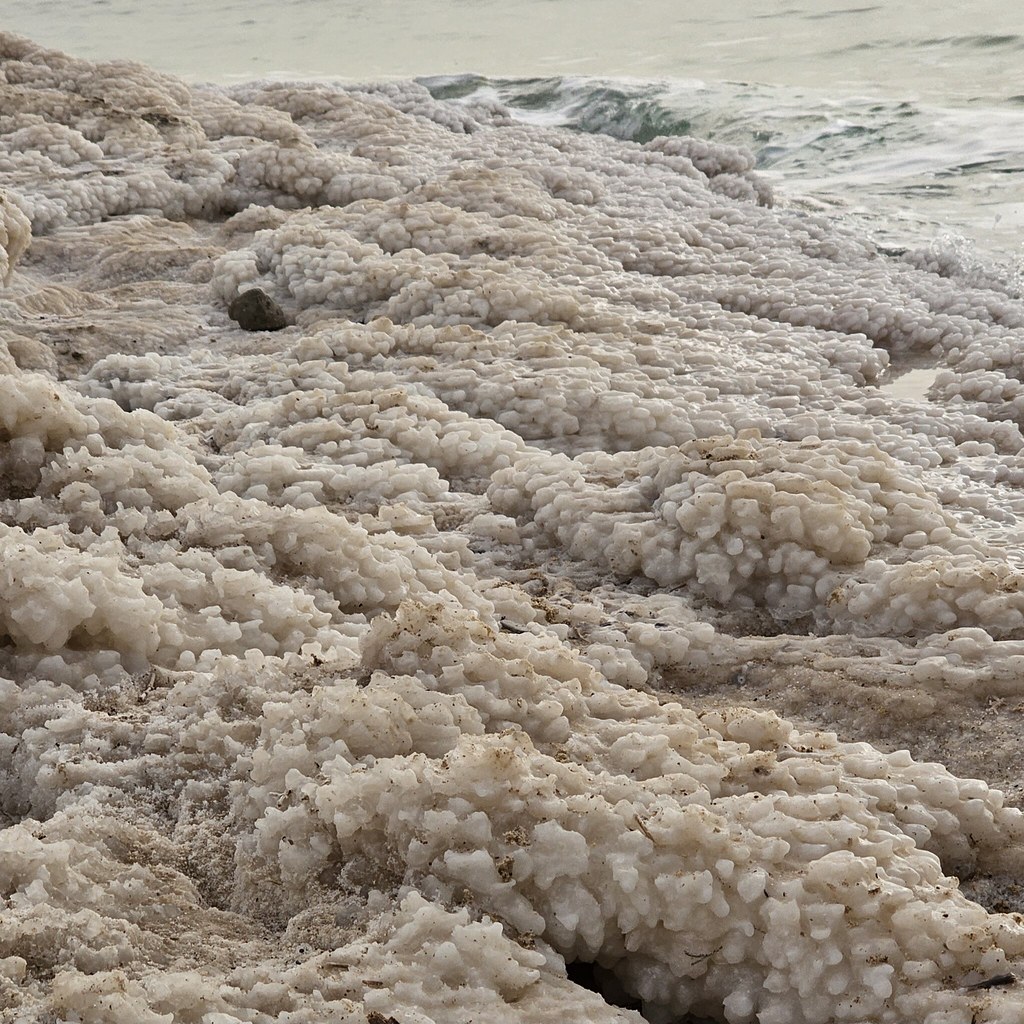
At sunset, participants enjoyed a dip in the Dead Sea and a mud bath while exploring the rare phenomenon of salt crystallization along the shore.
📍 Wool, Felting, Digital Fabrication, Electronic Texiles & Soft Robotics
Jordanian textile artist and wool researcher Ishraq Trikat joined the bootcamp for a lecture and hands-on workshop on wool felting, focusing on the local Jordanian Awassi sheep breed.
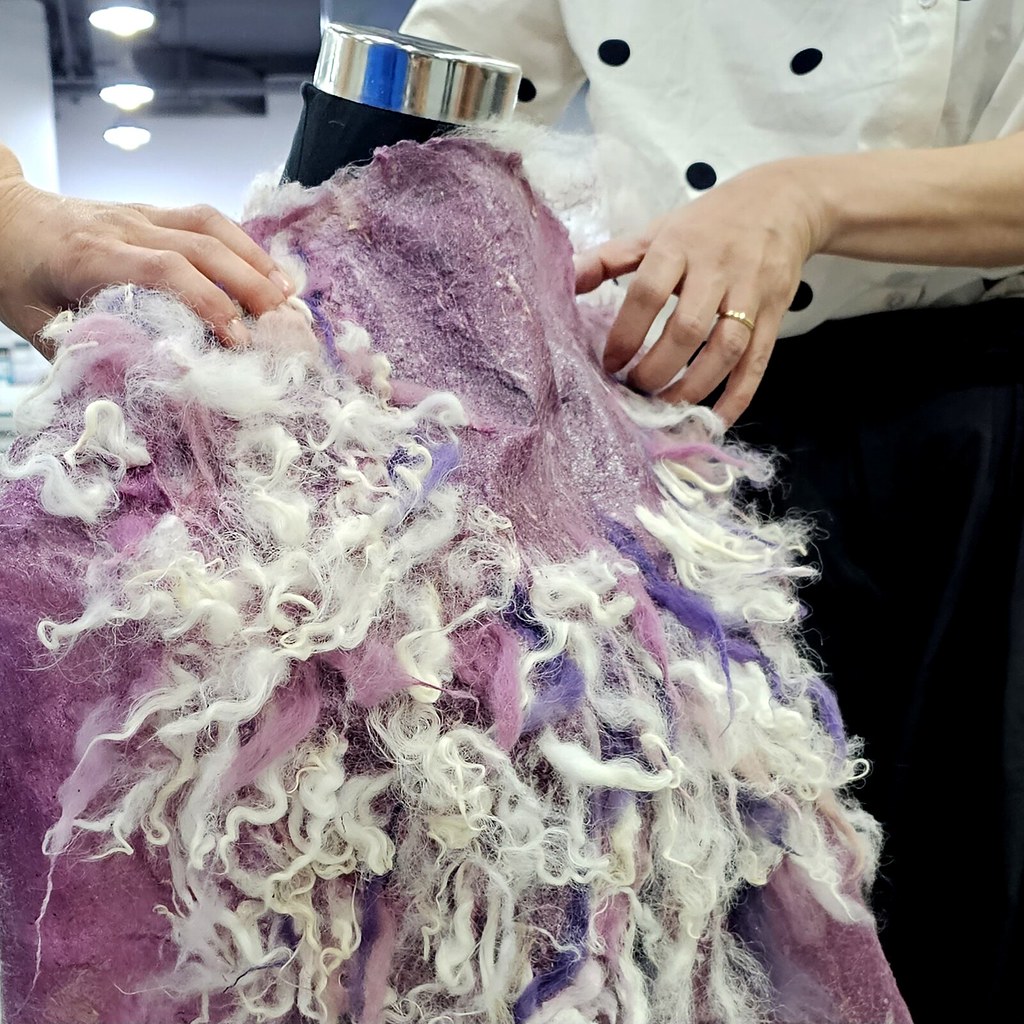
Participants learned how to prepare wool and experimented with wet and dry felting techniques, working with carding machines and digitally fabricated tools before moving on to yarn spinning.
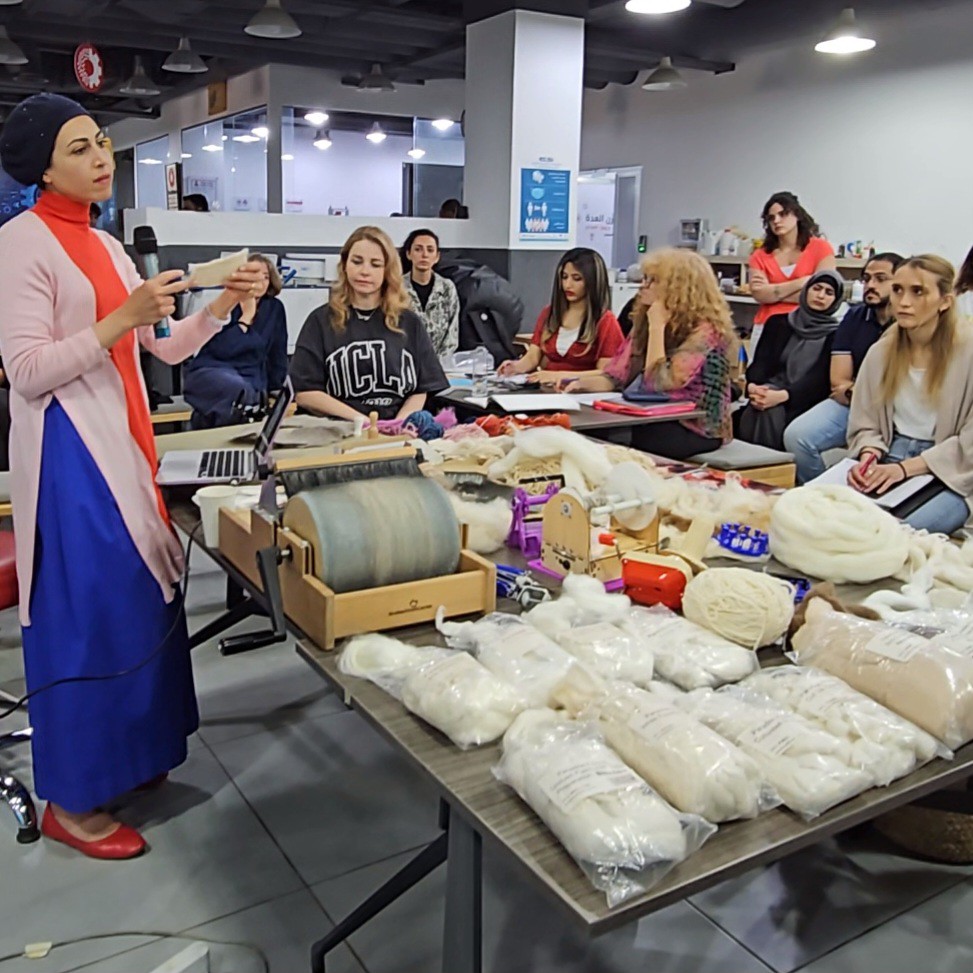
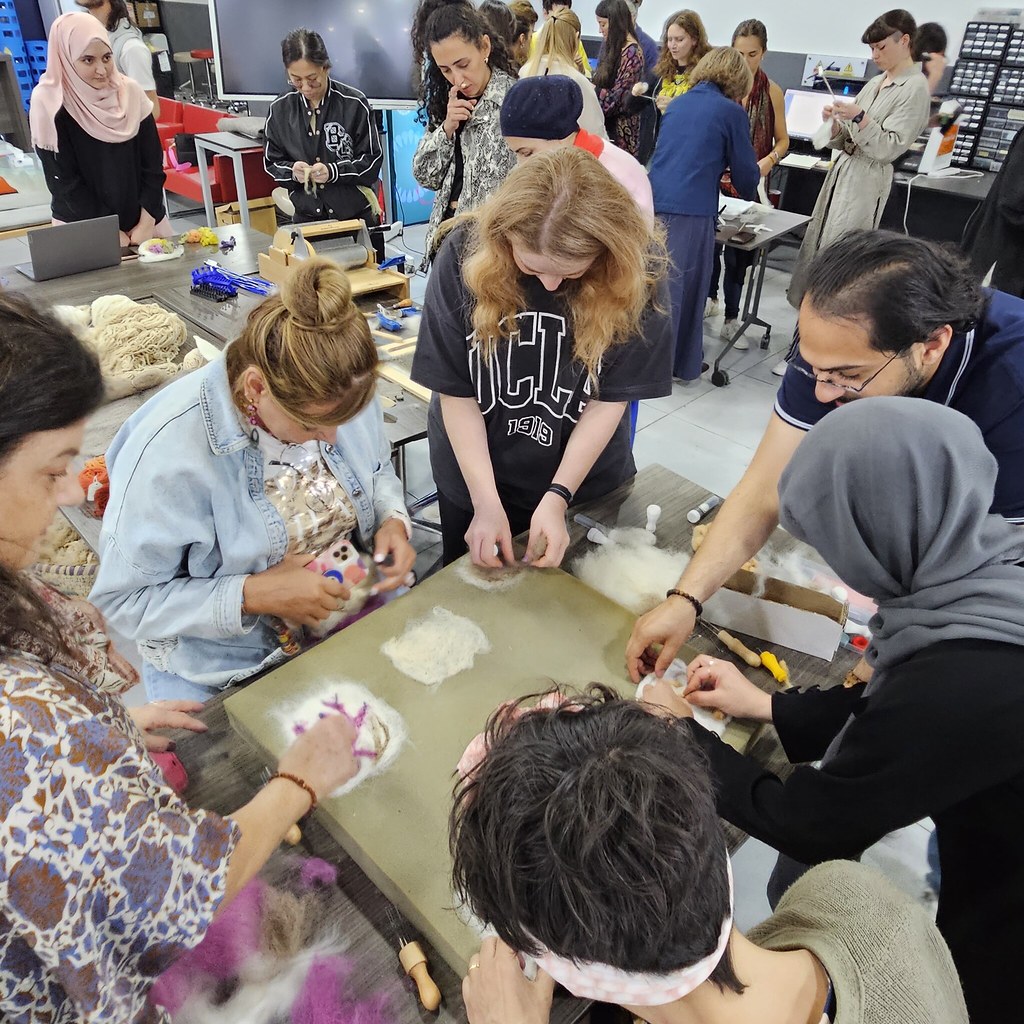
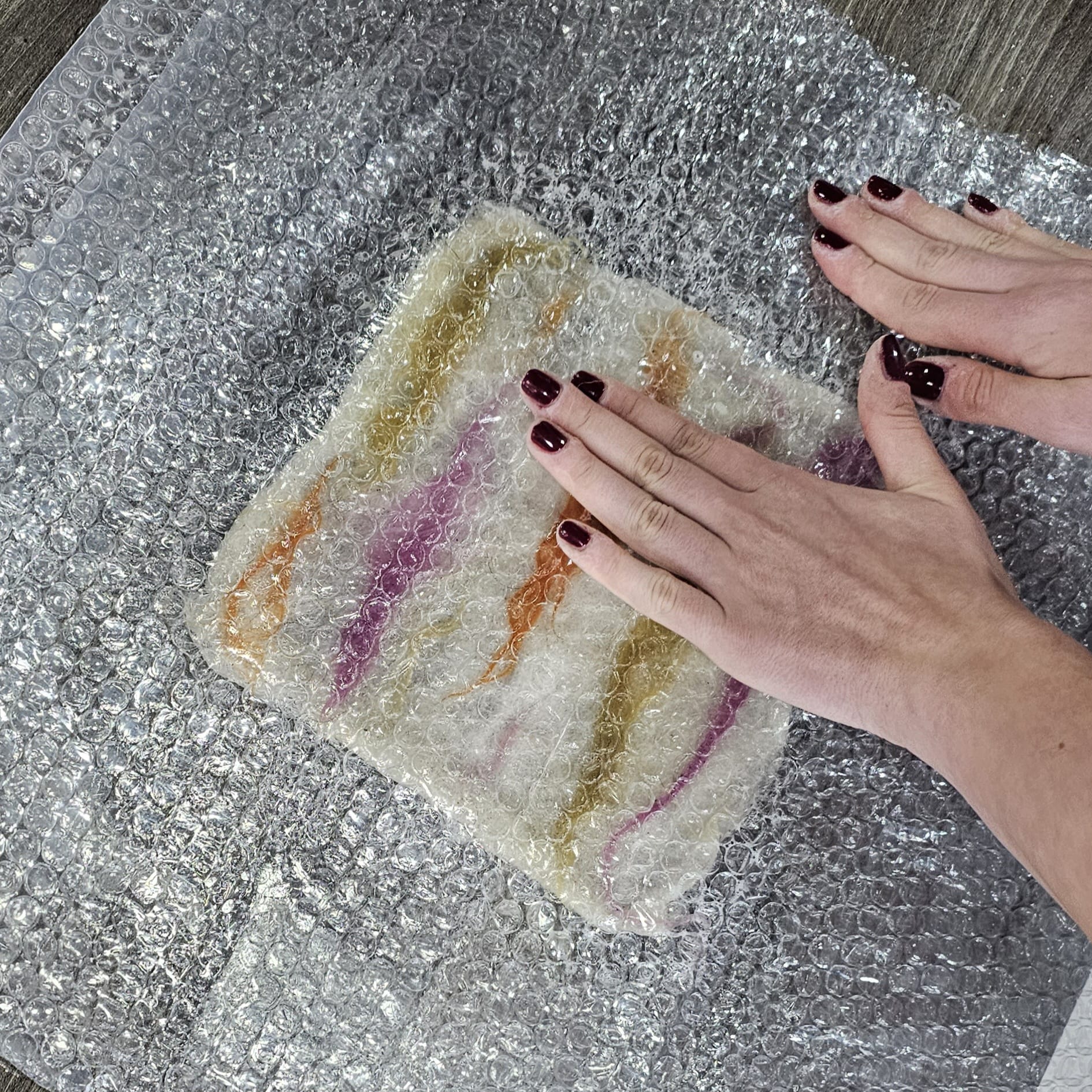
They also experimented with combining wool with biomaterials to develop biocomposites and reinforce alginate-based materials.
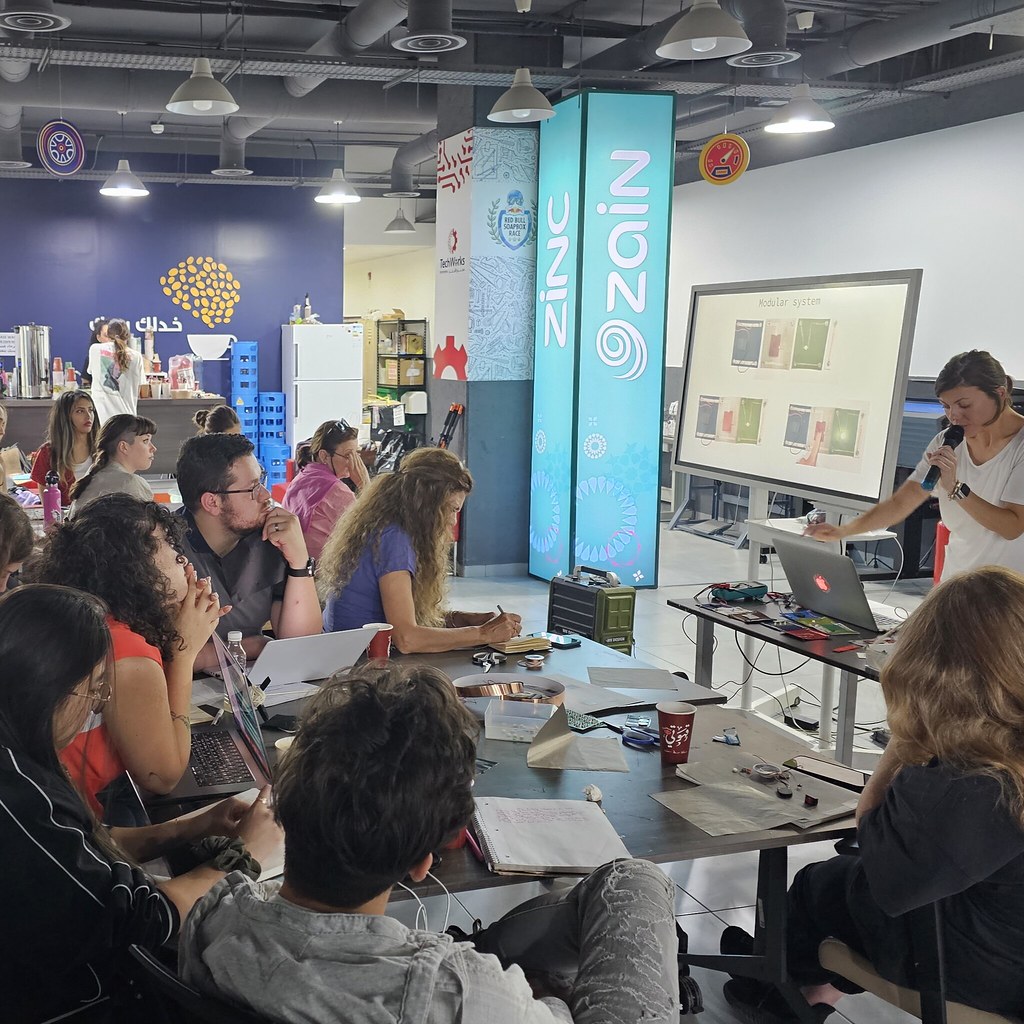
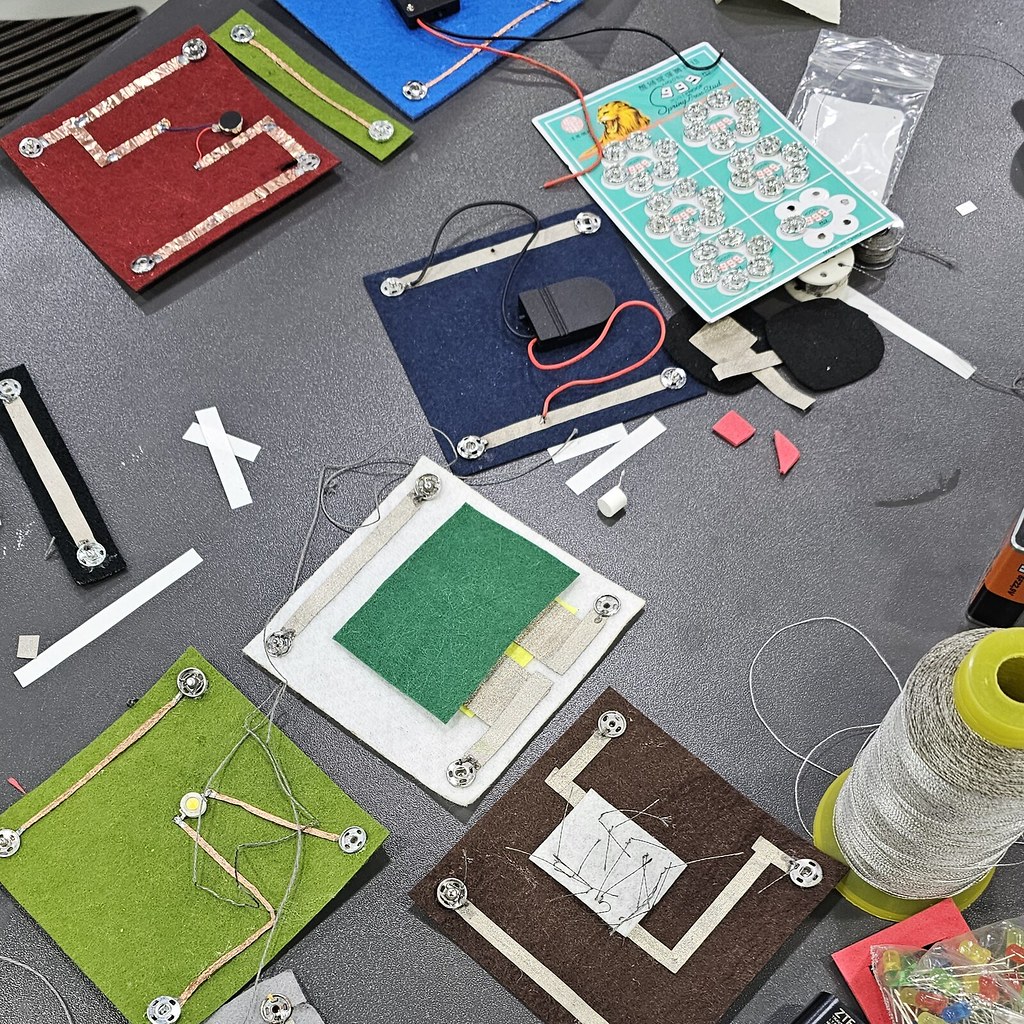
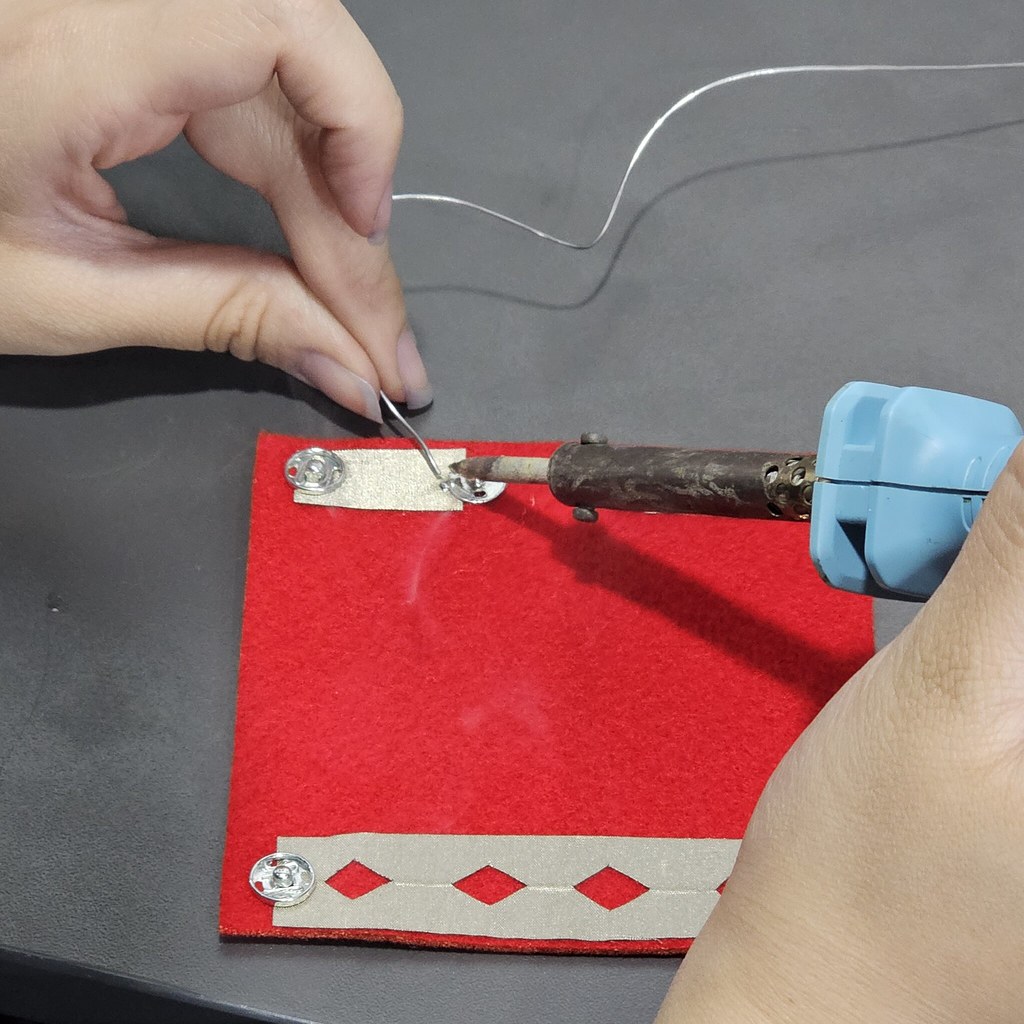
In the afternoon, Emma Pareschi led a hands-on electronics workshop, introducing participants to the basics of electronics through soft circuits and an array of soft sensors. Using conductive threads, conductive fabrics and resistive materials, participants created individual swatches that could be connected to form a collective artwork and a shared library of sensory interactions.
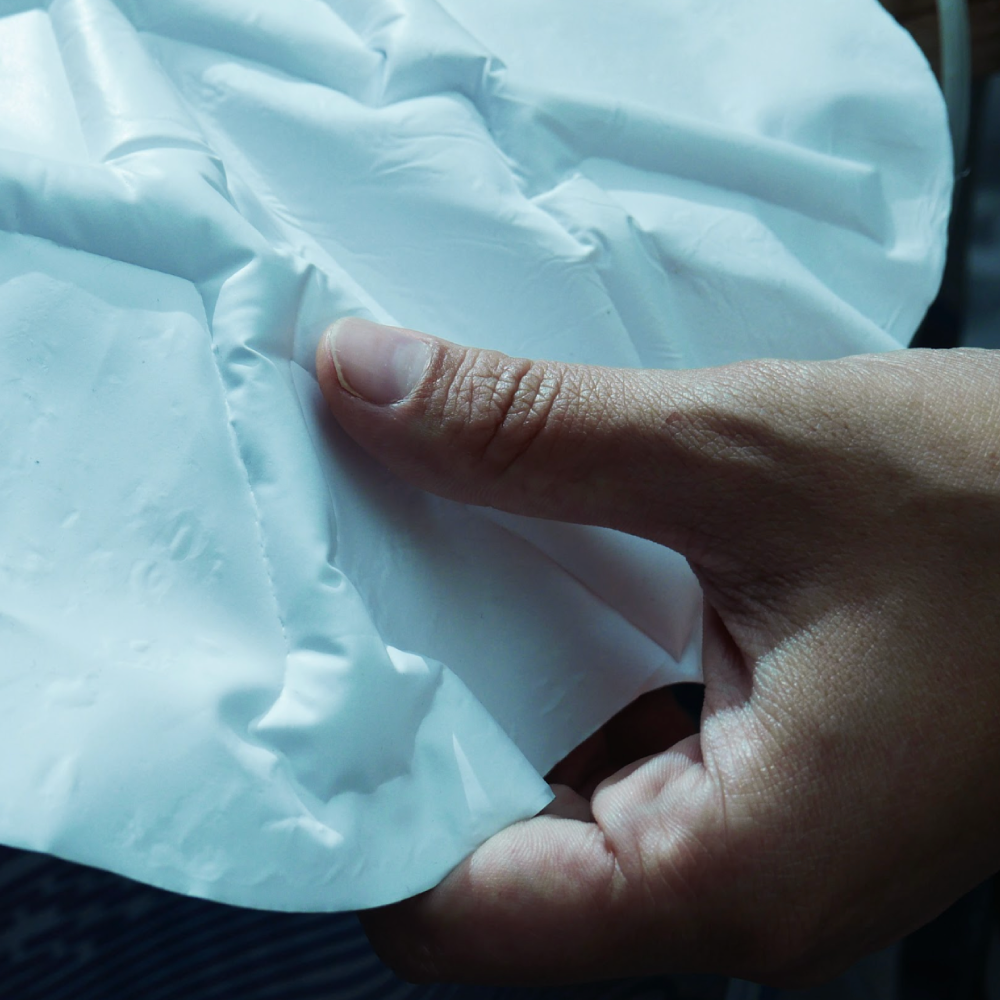
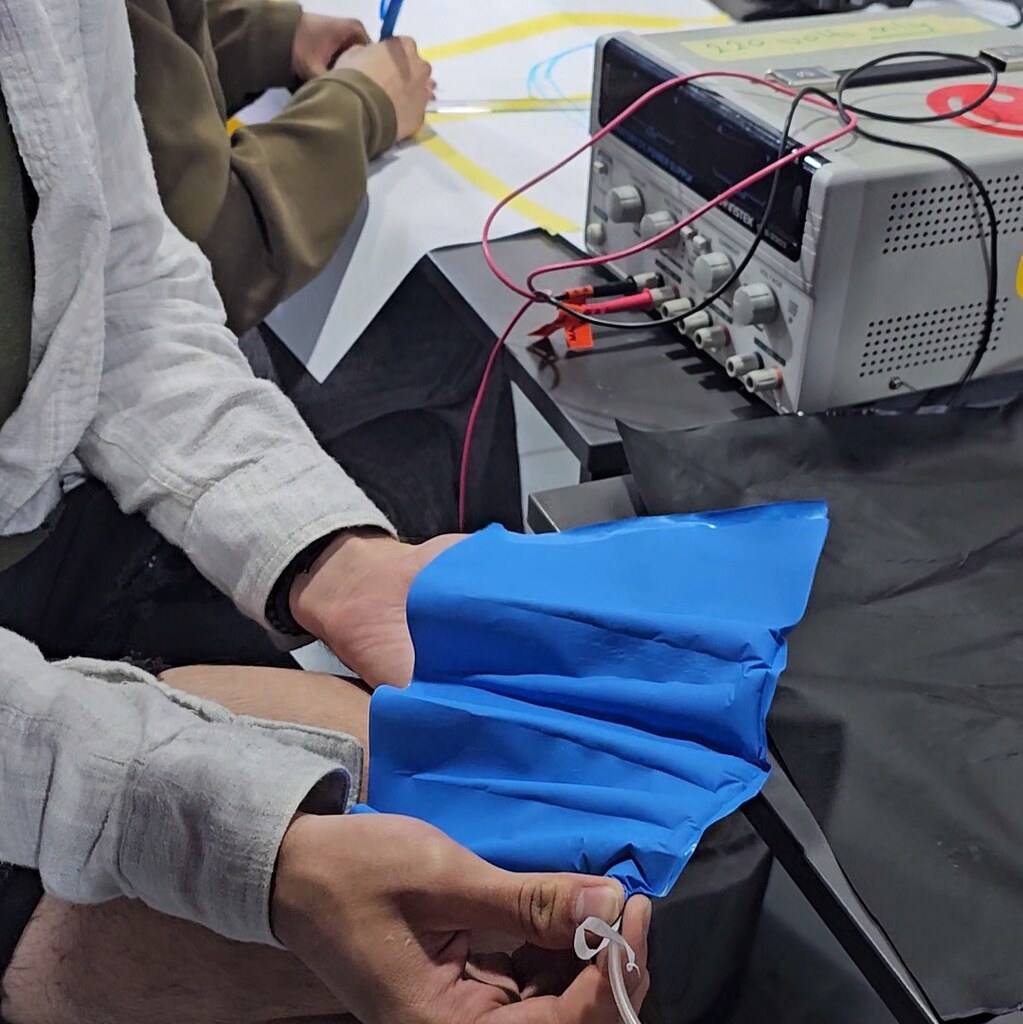
The demo on soft robotics invited participants to explore how nature can inspire new patterns and structures that can be adapted to create soft actuators. Using silicone and thermovinyl materials, they investigated potential applications for wearable technologies and the future of fashion.
📍 Petra & Wadi Rum — Bedouin Weaving in the Desert
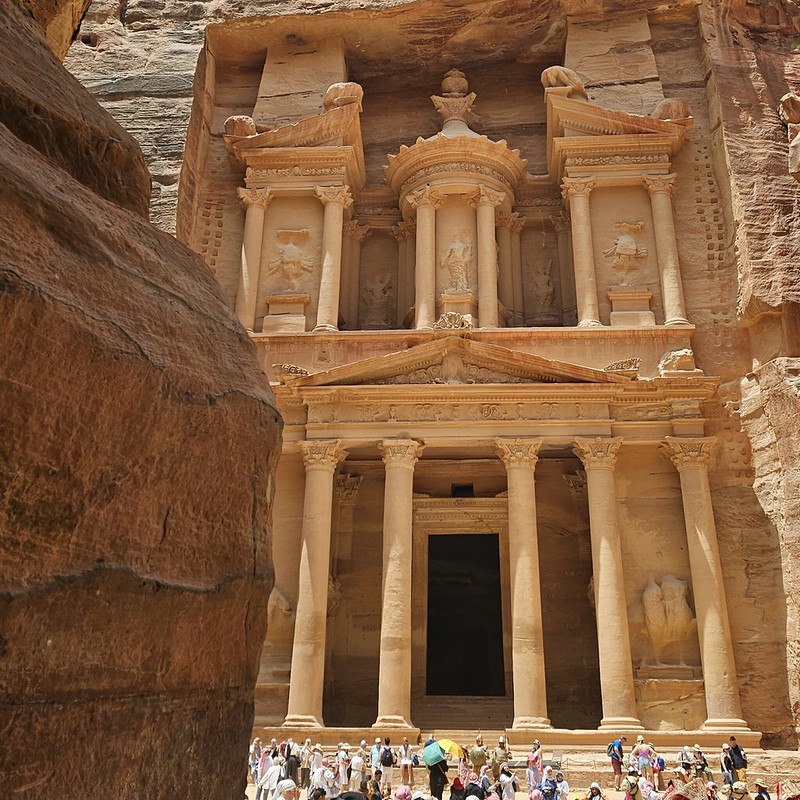
In the extraordinary landscapes of Petra and Wadi Rum, participants discovered more about Jordan’s cultural heritage and traditional crafts.
After an early-morning departure and a day spent visiting the ancient city of Petra, one of the New Seven Wonders of the World, the group continued to the desert of Wadi Rum, where social activities, dinner and a sunset desert tour were organized for the participants.
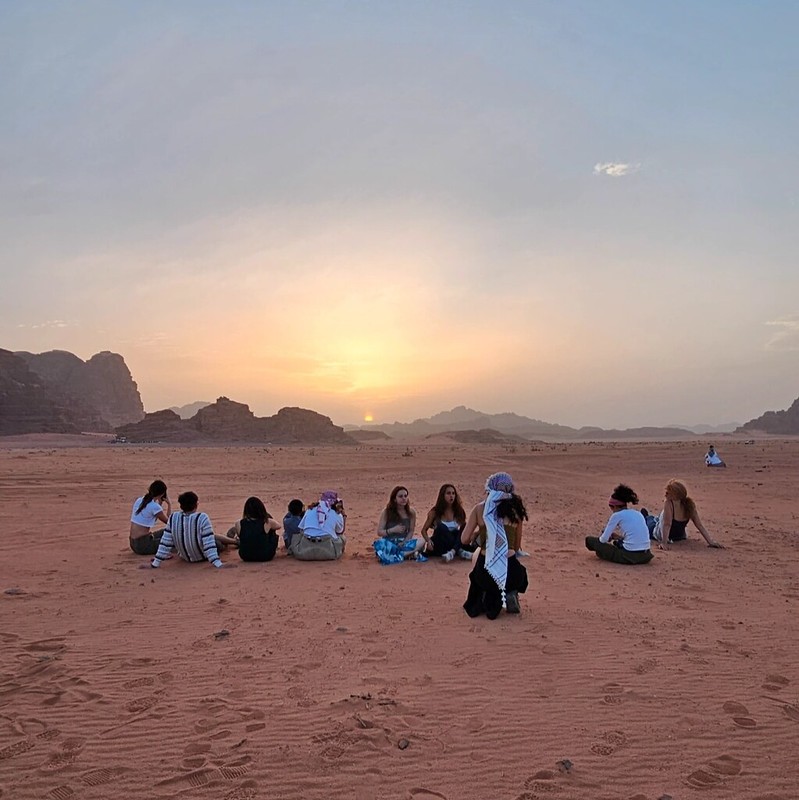
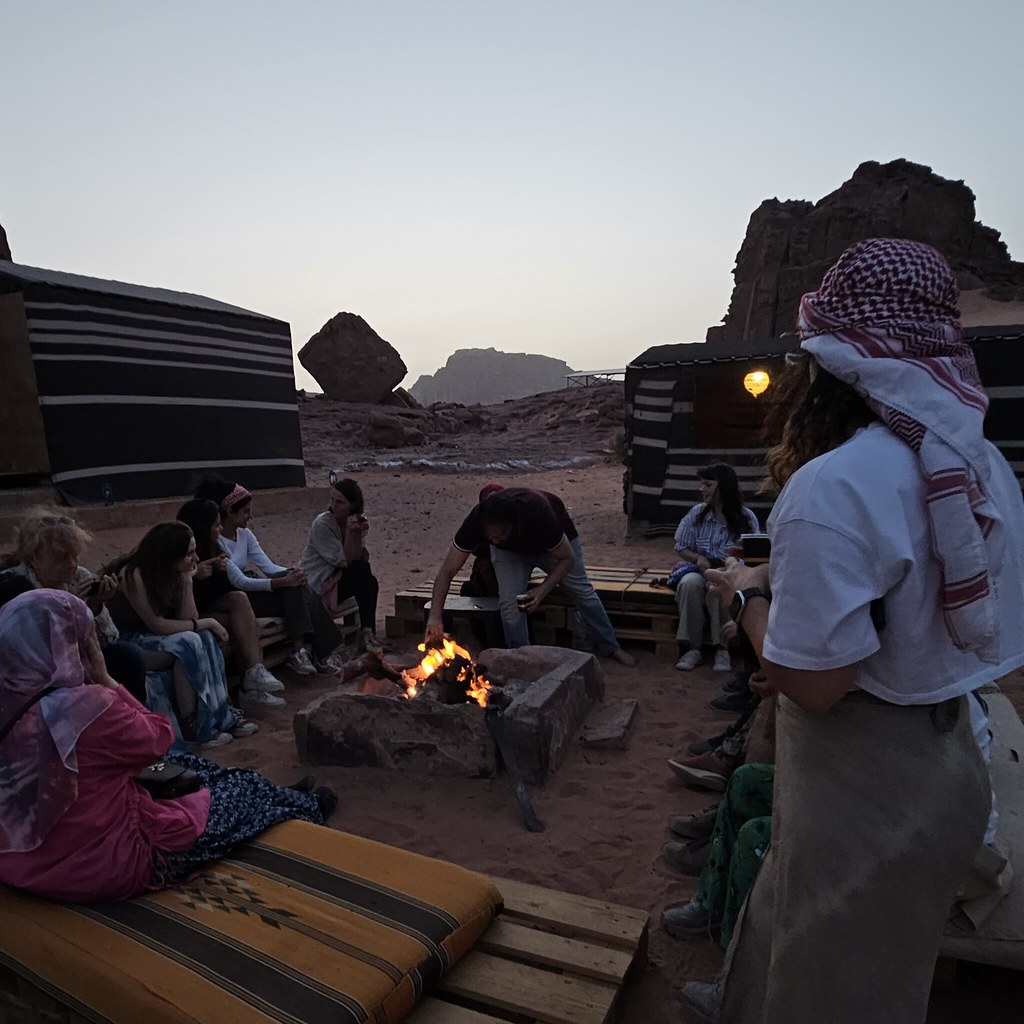
Early the following morning, a camel ride set the scene for the final community workshop.
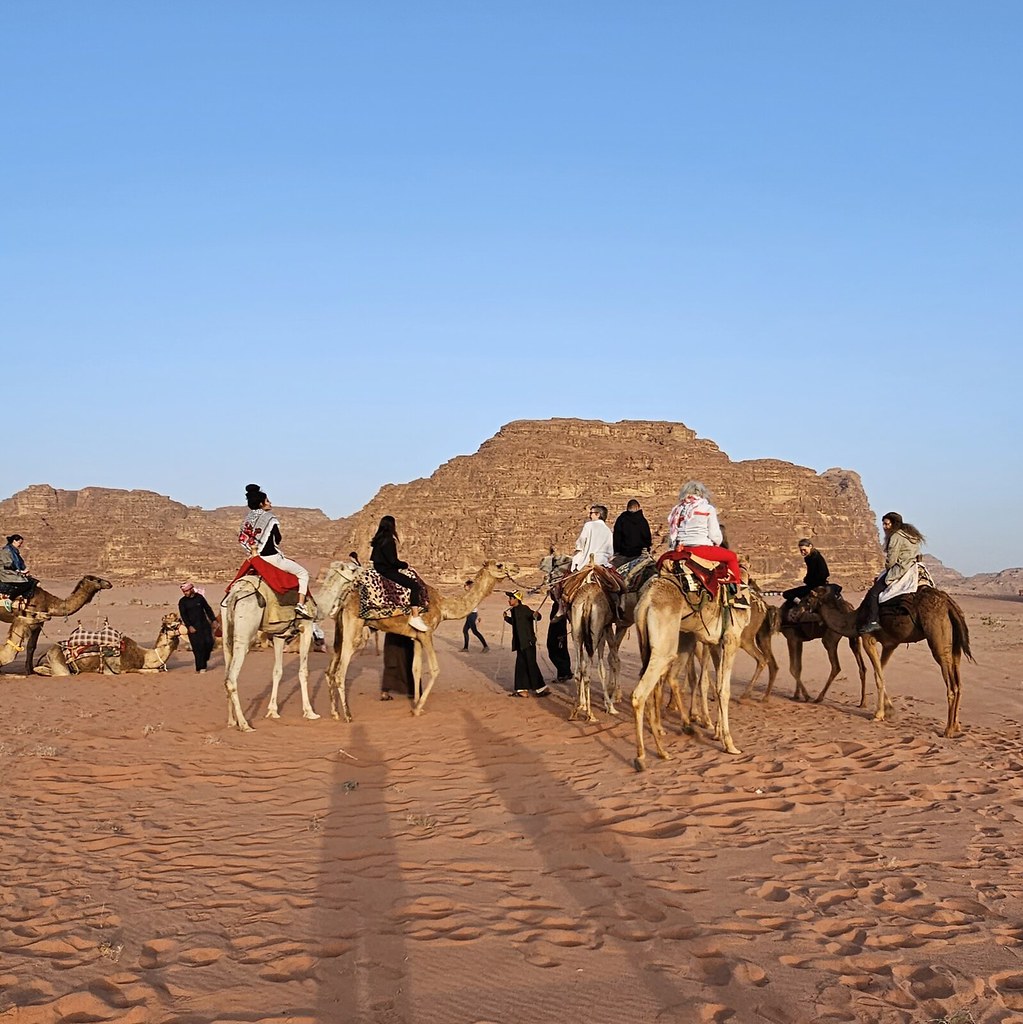
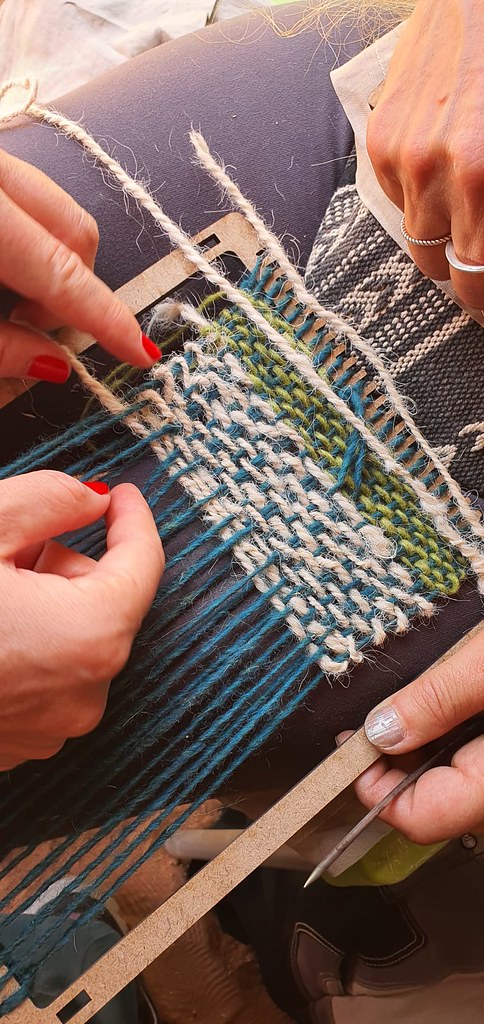
In Wadi Rum, the Disi Bedouin community has a long-standing tradition of working with wool, with weaving knowledge passed down through generations.
Participants explored Bedouin weaving traditions and the knowledge embedded in the relationship between people, materials and the desert environment.
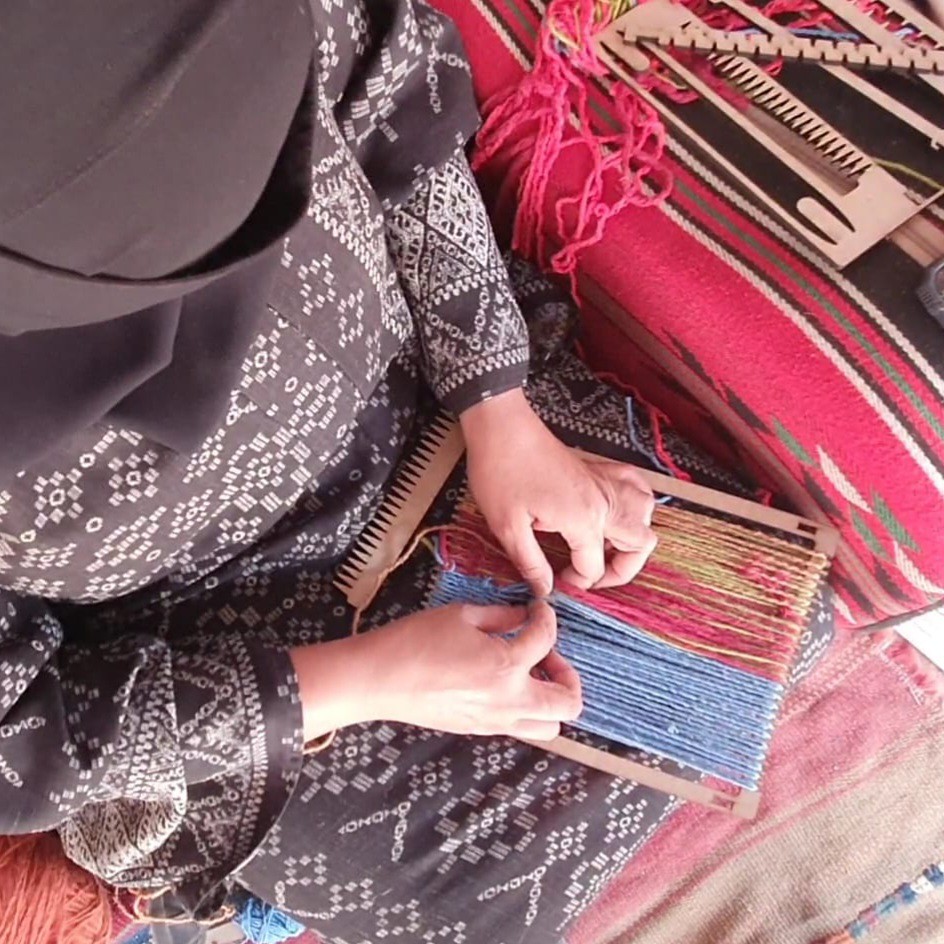
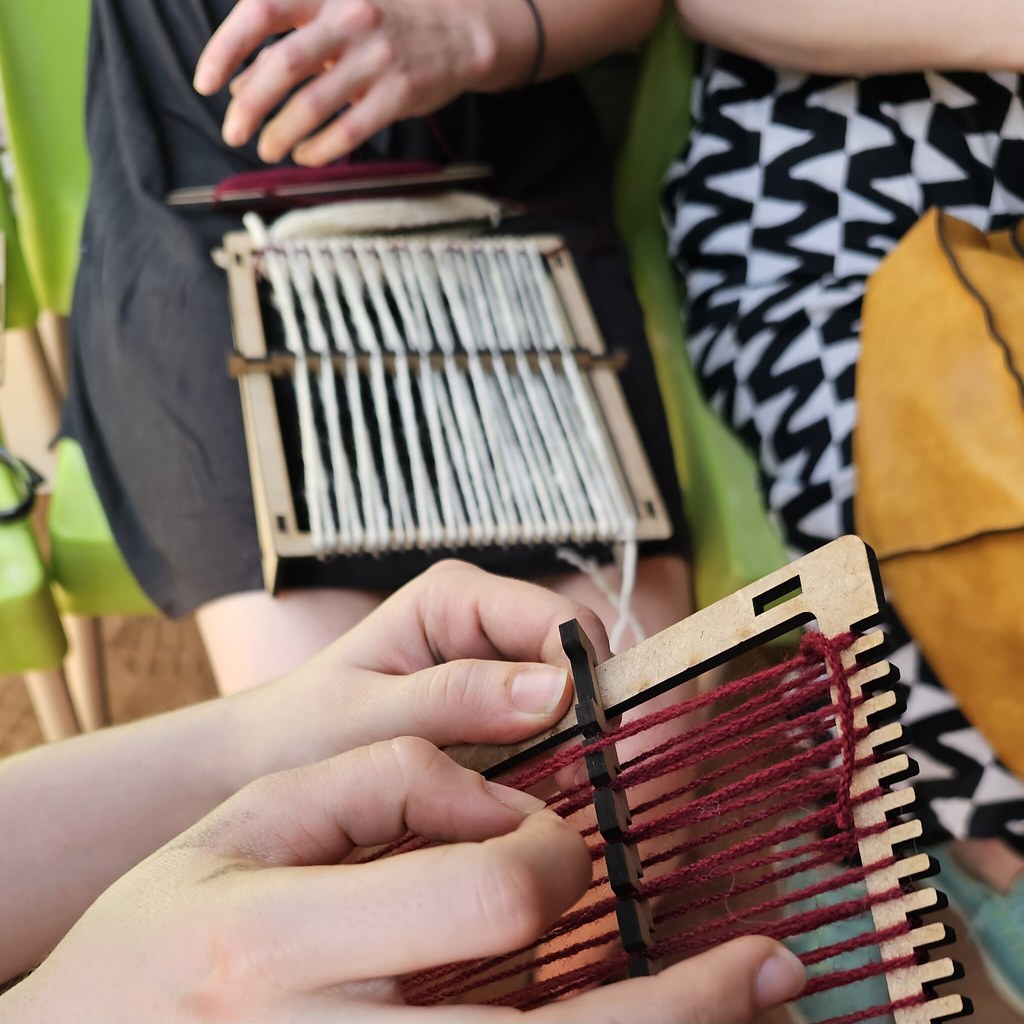
The experience offered a glimpse into the role of weaving within Bedouin culture, as participants learned to work with the ground loom and discovered how textile practices are shaped by local resources, everyday needs.
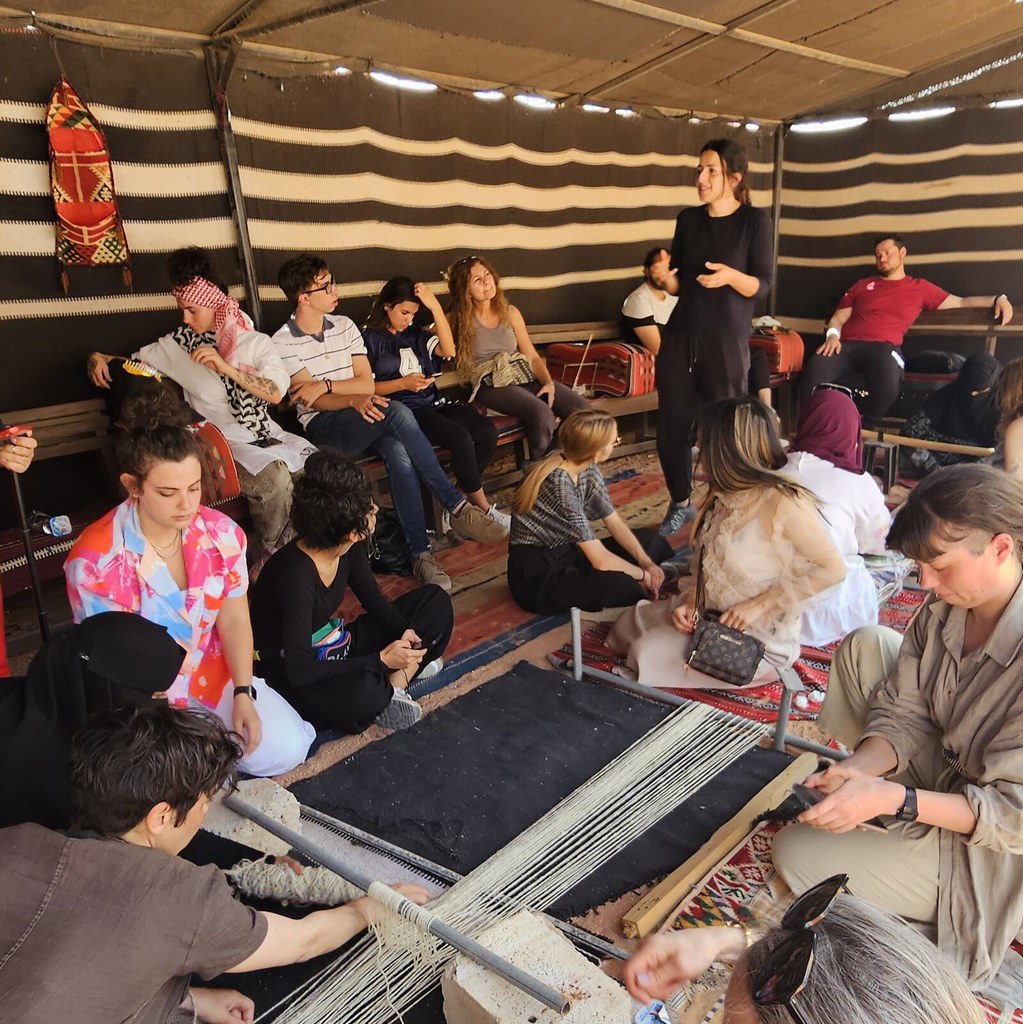
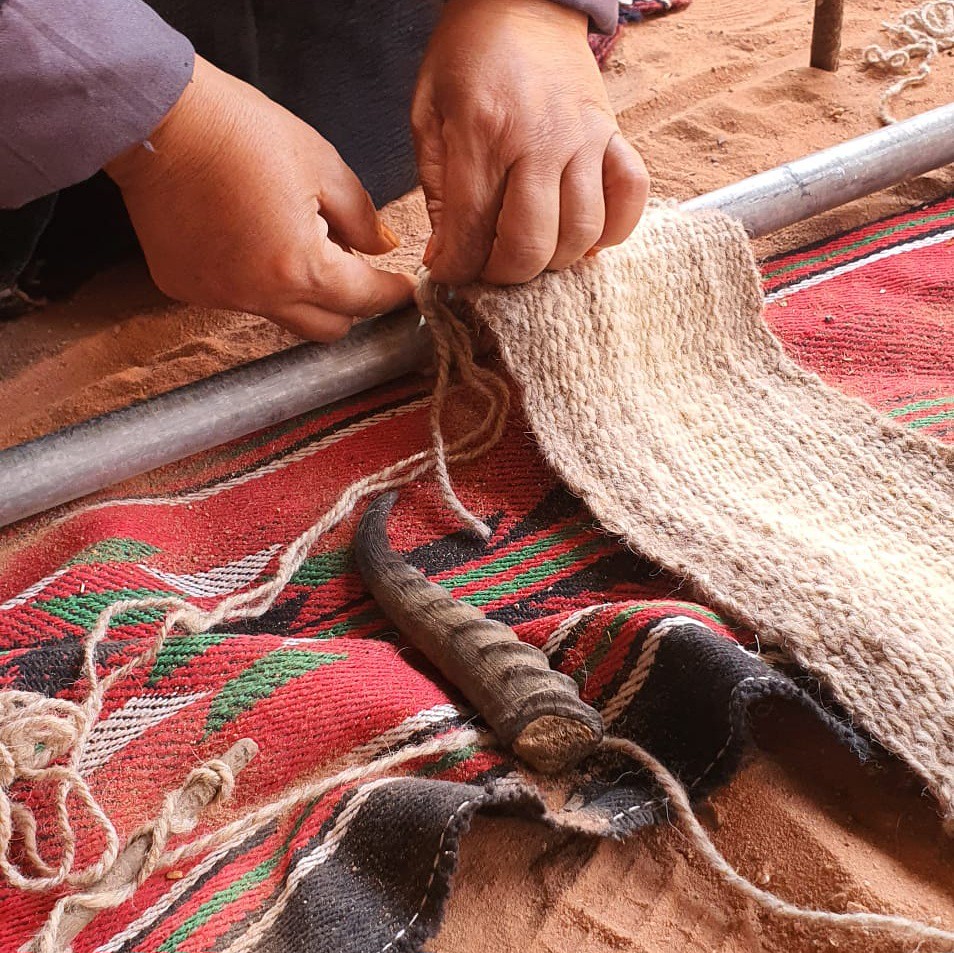
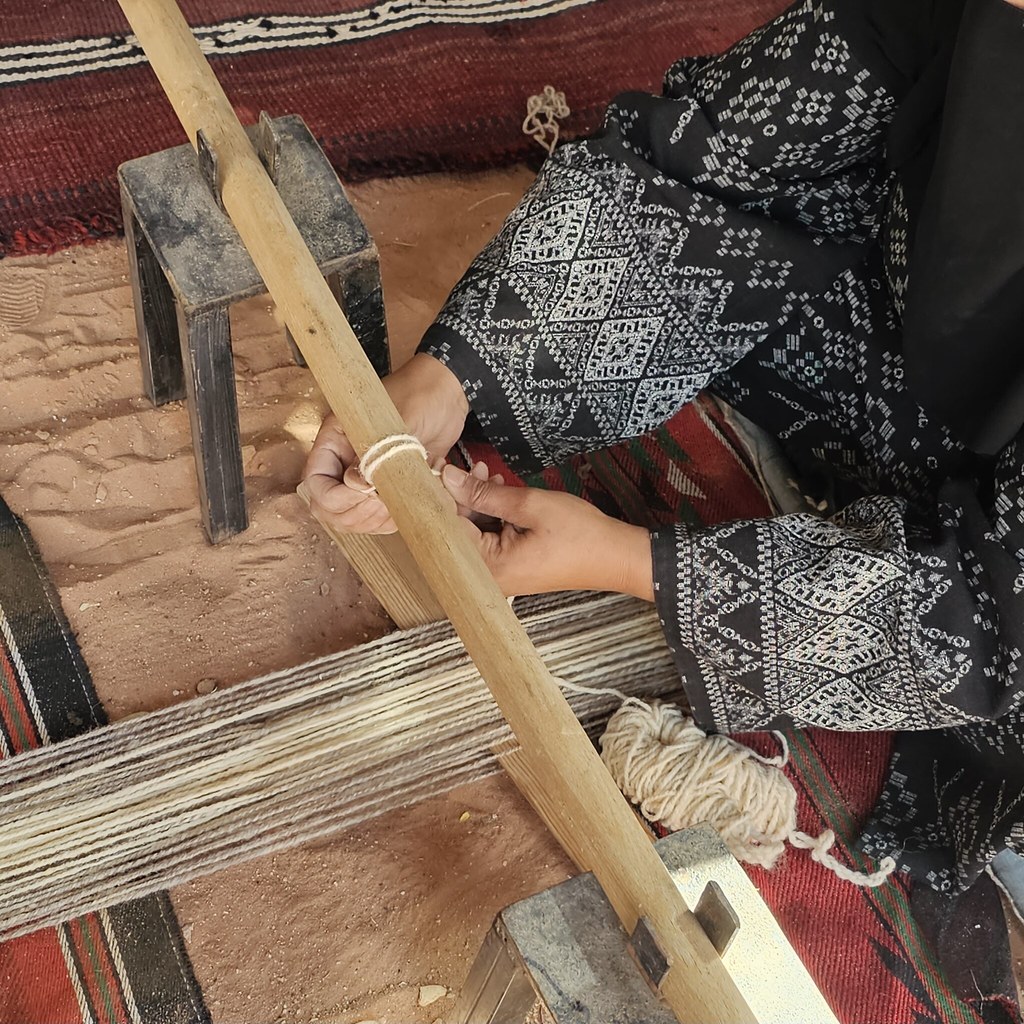
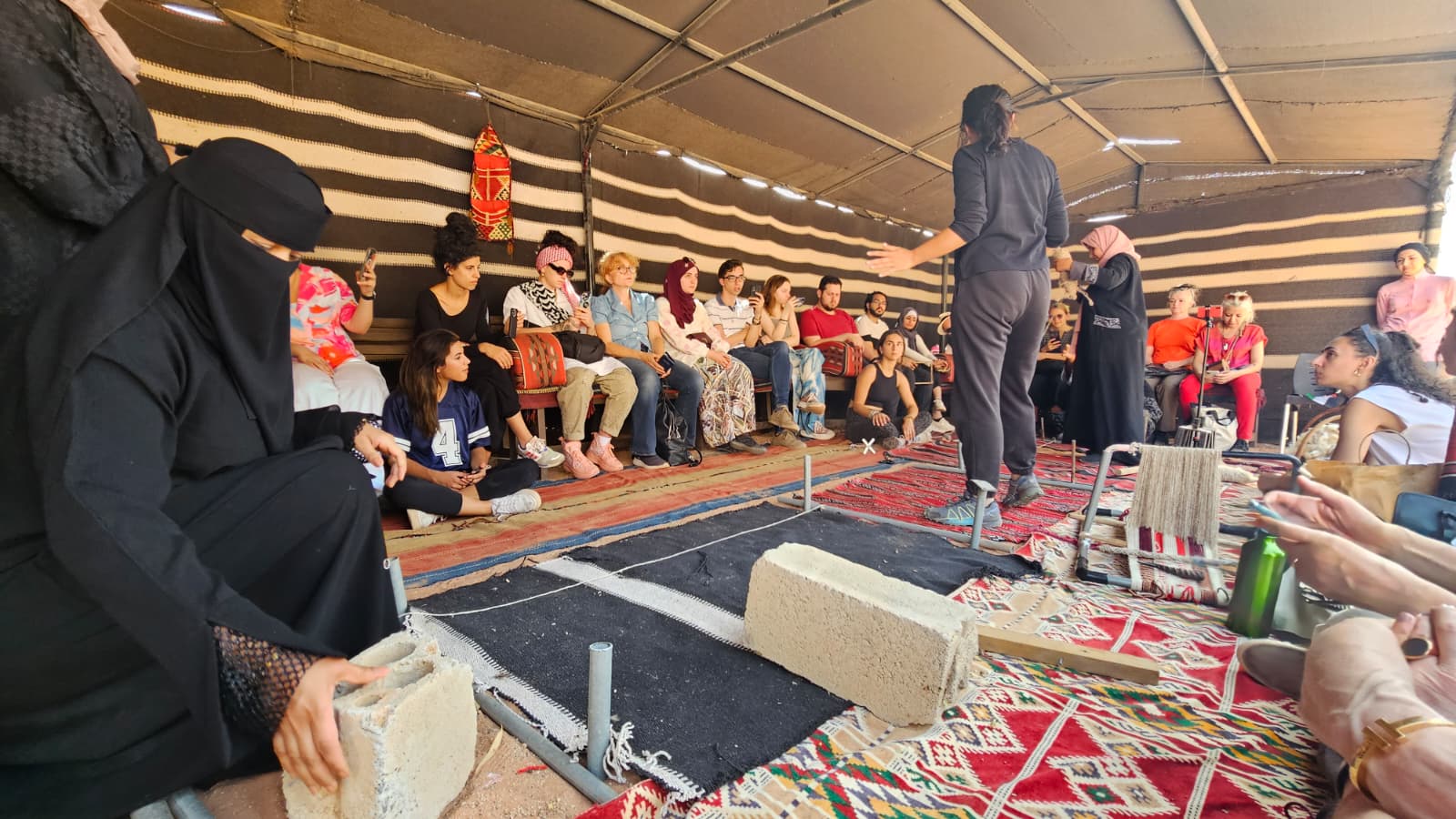
The workshop was facilitated by Abeer Seikaly, Palestinian Bedouin artist and architect whose practice explores weaving, structures and materials rooted in the region.
Beyond the workshop itself, the encounter highlighted the importance of learning directly from local communities and recognizing traditional craftsmanship as a living practice. Earlier in the bootcamp, participants had laser-cut wool at the lab and donated it to the Bedouin community, exploring how traditional weaving practices can be reinterpreted and passed on through digital design and fabrication, bridging ancestral knowledge with contemporary tools.
Connecting Heritage, Materials & New Technologies
Throughout the bootcamp experience in Jordan, participants explored how local traditions, natural resources and digital fabrication can come together to inspire new approaches to textiles and fashion.
The combination of workshops, cultural visits and exchanges with local communities created space to question conventional production methods, experiment with alternative materials and learn from the people who keep traditional crafts alive.
The final day of the bootcamp was dedicated to focus groups, with five teams formed to explore different topics.
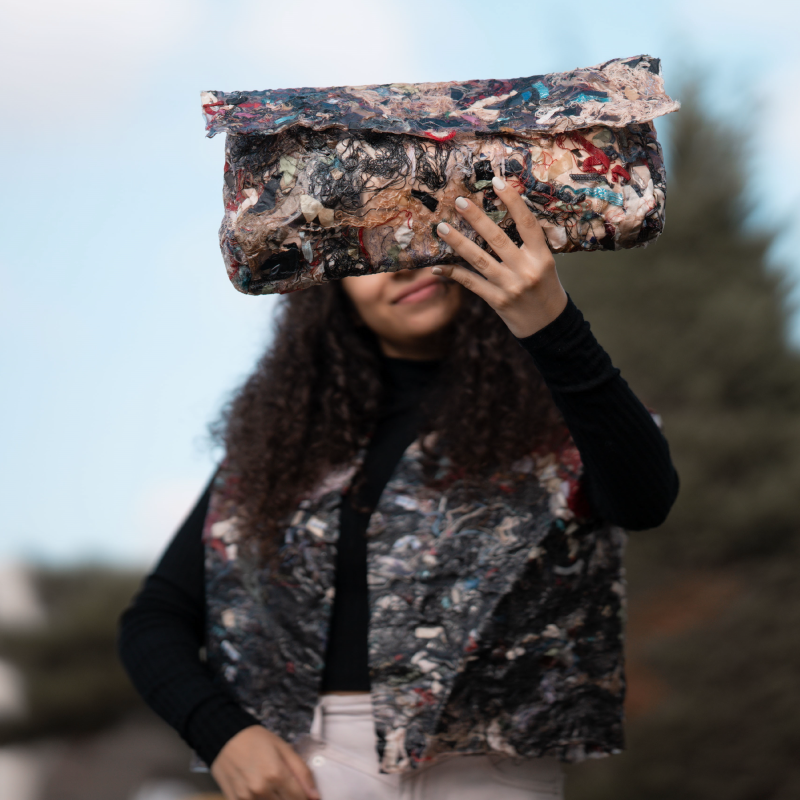
Participants spent the day researching, designing and fabricating with locally available materials, bringing together traditional craftsmanship, novel techniques introduced during the bootcamp and digital fabrication processes, including large-scale 3D printing and wearable technology.
The projects were presented the following day at the ZINC Auditorium, where participants shared their outcomes with the local community, followed by an open exhibition.
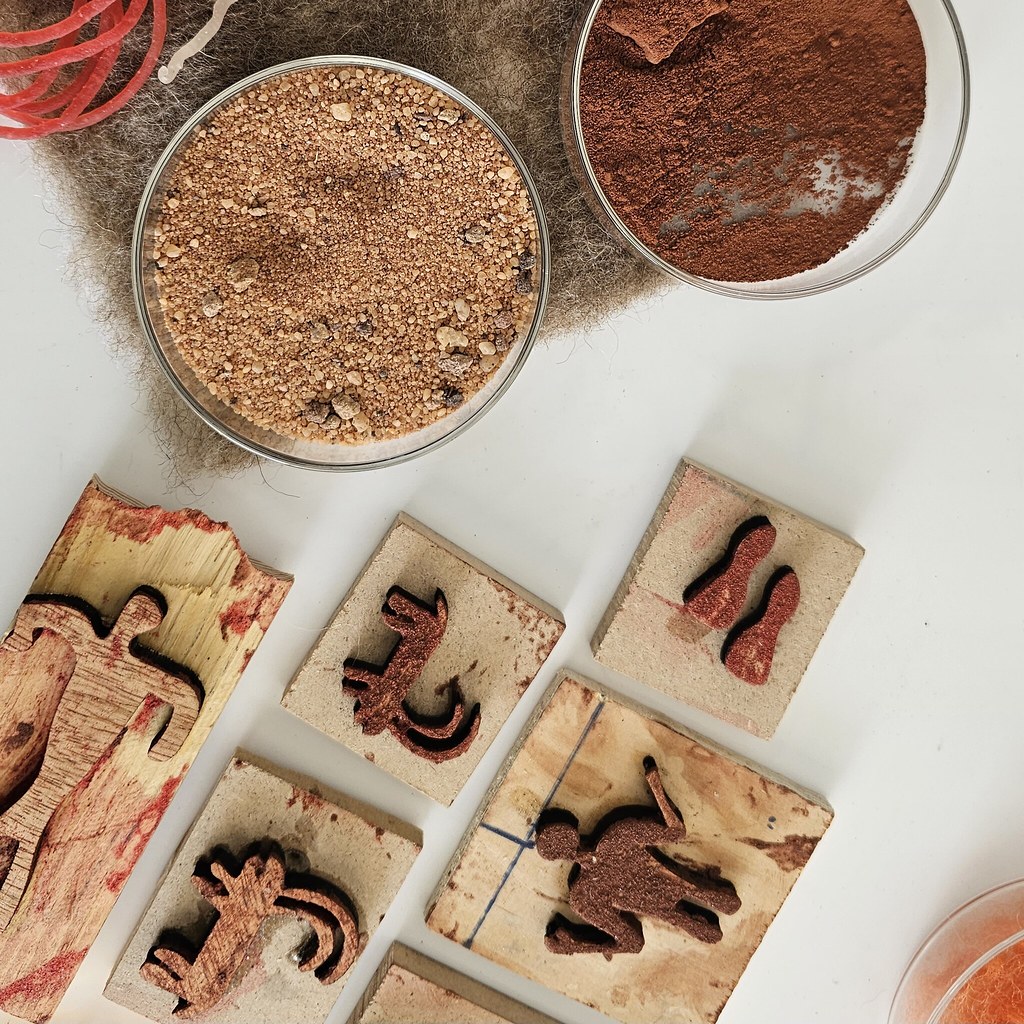
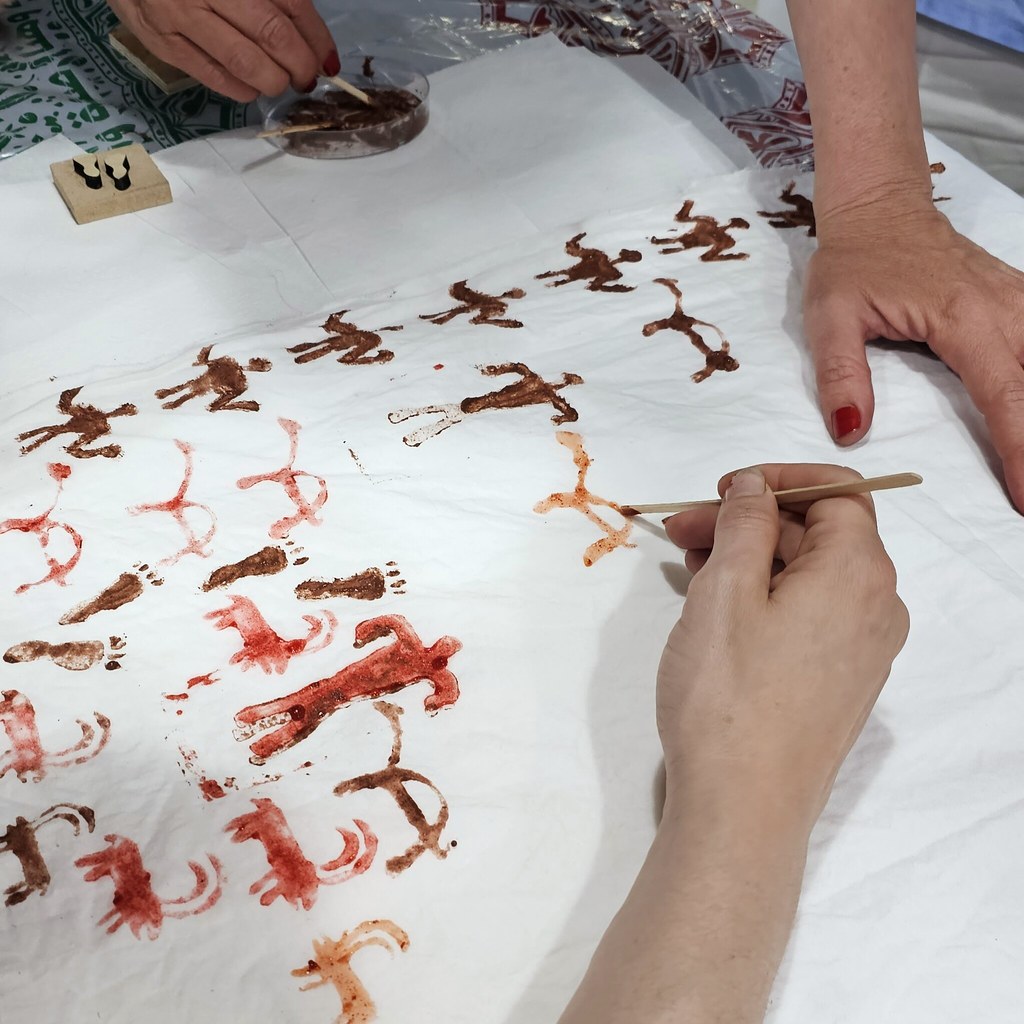
Inks and Earth pigments research with Wadi Rum rocks
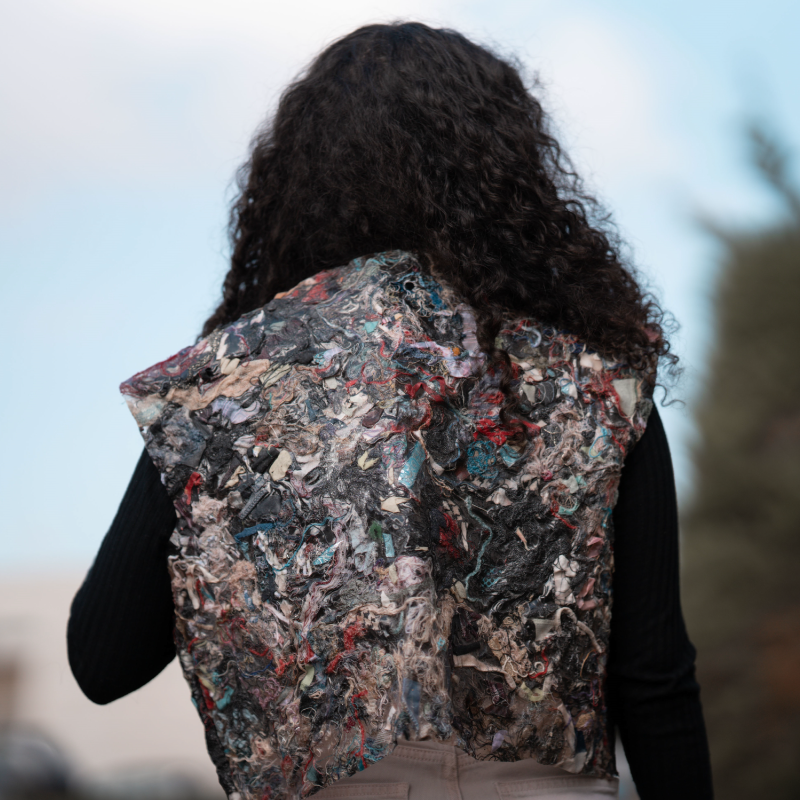
Re-thread: Textile waste recycled into a biodegradable collection