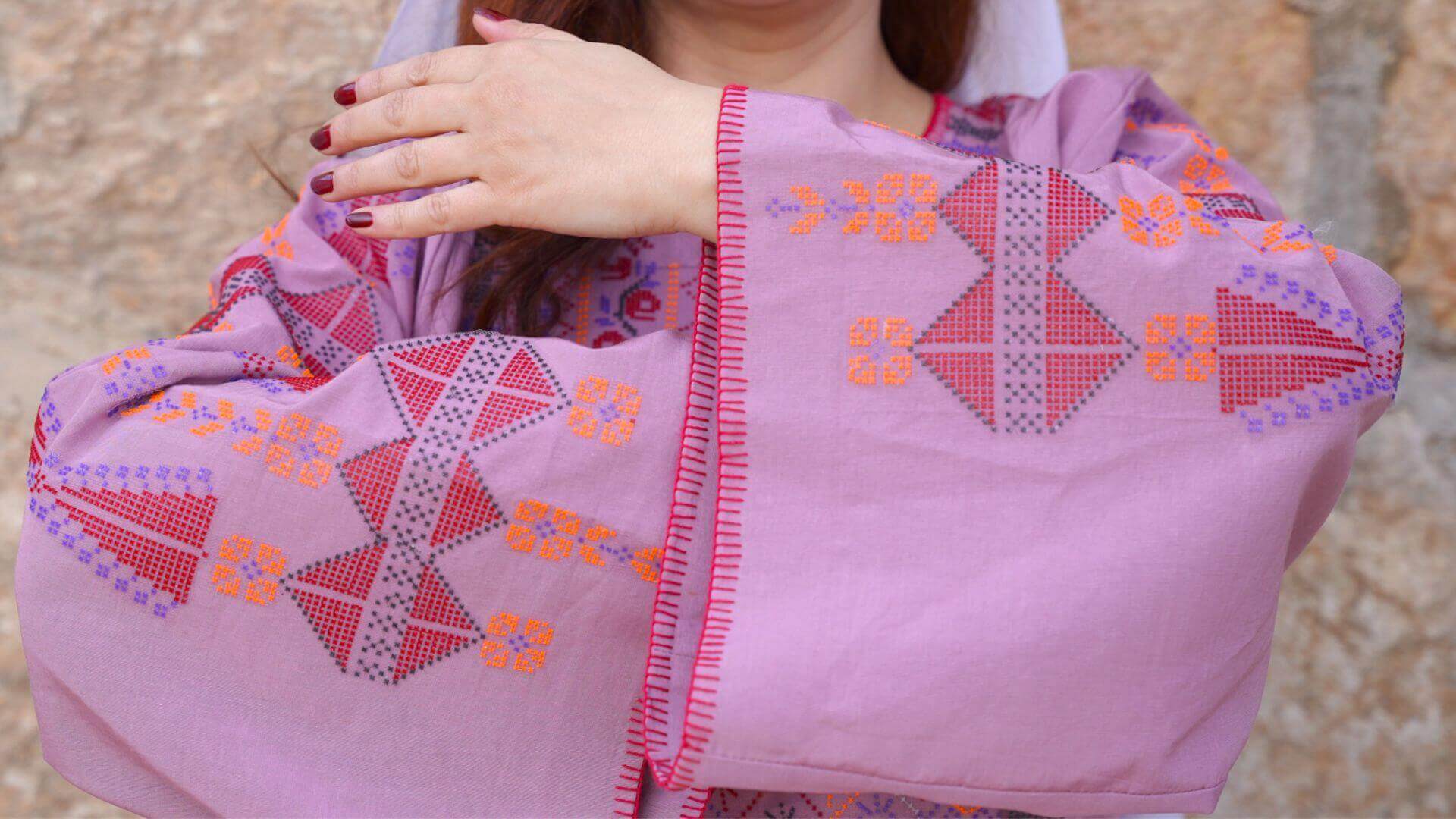
When Heritage Crafts Meet Technology
"We are not just reformulating patterns, but creating a documentation system that makes the Palestinian thobes an intelligent record that preserves the narrative of the land and its people."
That sentence — from Doa'a Al-Hinty's project documentation, a 2026 Fabricademy final project — is the best definition of the digital craftswoman.
The digital craftswoman is the person who refuses to choose between grandmother's stitches and a computer. She treats heritage as a living data platform, not a museum exhibit. She embroiders with thread and with code. And she is quietly rewriting what we mean by both "craft" and "technology".
This article is built on four student projects — every one of them public, documented and verifiable — plus the thinkers who shaped the field.
What is digital craftsmanship?
The term digital craftsmanship describes the fusion of traditional hand-skills with computational tools: 3D printers, digital looms, electronic thread, generative design. It is not craft replaced by machines. It is craft translated into a new medium — and often, into a new language that can carry the old knowledge further than the hand alone.
The intellectual foundations go back further than you'd think. In The Craftsman (2008), sociologist Richard Sennett argued that craft is not nostalgia but a mode of knowledge: "the craft of making physical things provides insight into the techniques of experience." For Sennett, the programmer is as much a craftsman as the goldsmith — because both pursue the desire to do a job well for its own sake.
More recently, the field has found its own researchers. Irene Posch, professor at the University of Art and Design Linz, has spent two decades building electronic tools inside textile traditions — her paper "The Matter of Tools: Designing, Using and Reflecting on Artistic Tools" (ACM DIS 2020) is a landmark in thinking about technology as an expressive material rather than a utility. At CHI 2025, a dedicated gathering on textiles convened the community around exactly this question: what can computing learn from cloth?
The digital craftswoman stands in this lineage, but she adds something the academy often forgets: a living heritage in her hands.
Recoded Tatreez: embroidery as a data platform
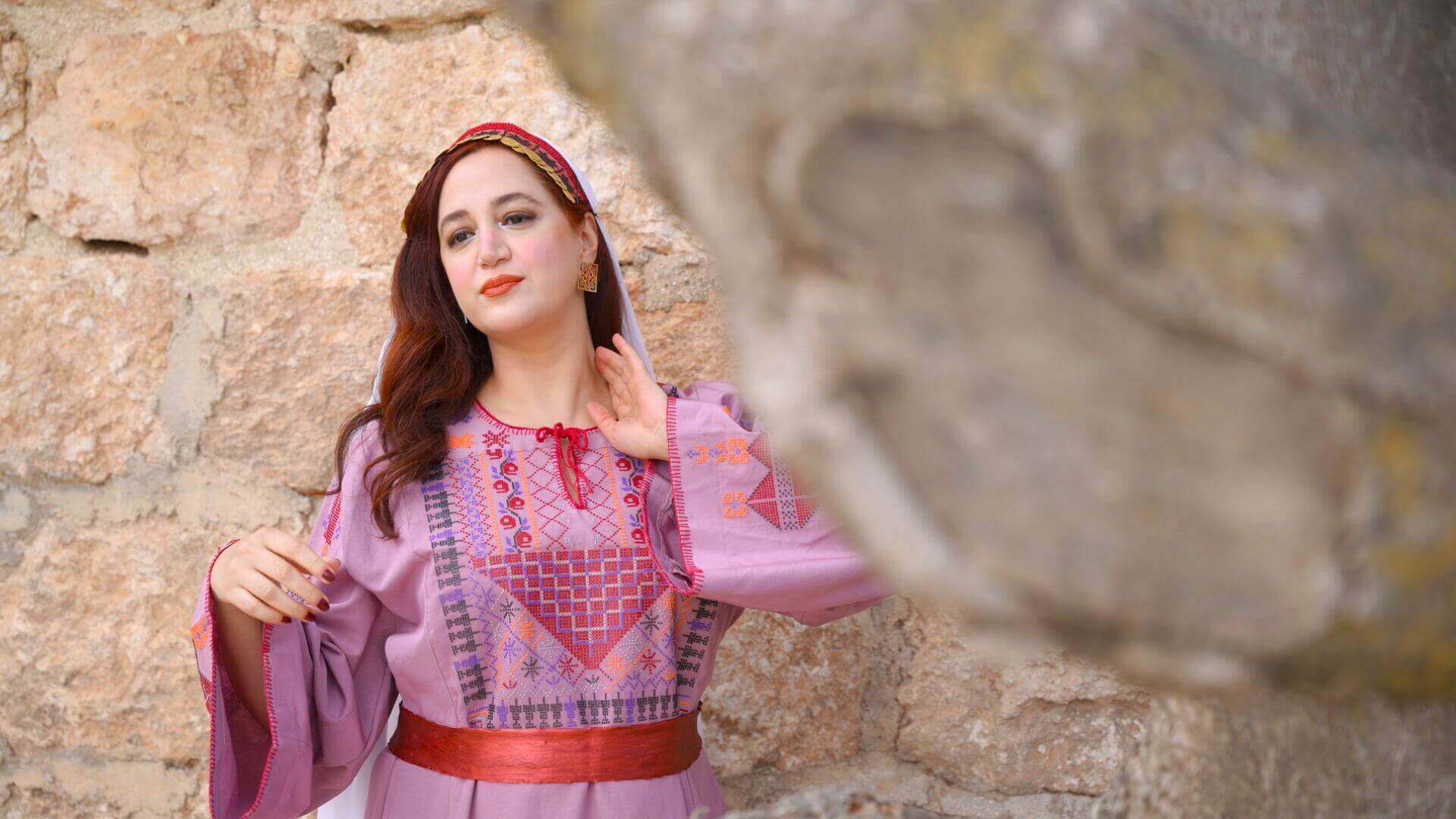
Doa'a Al-Hinty (Fabricademy 2025-26 - CPF Makerspace Amman, Jordan)
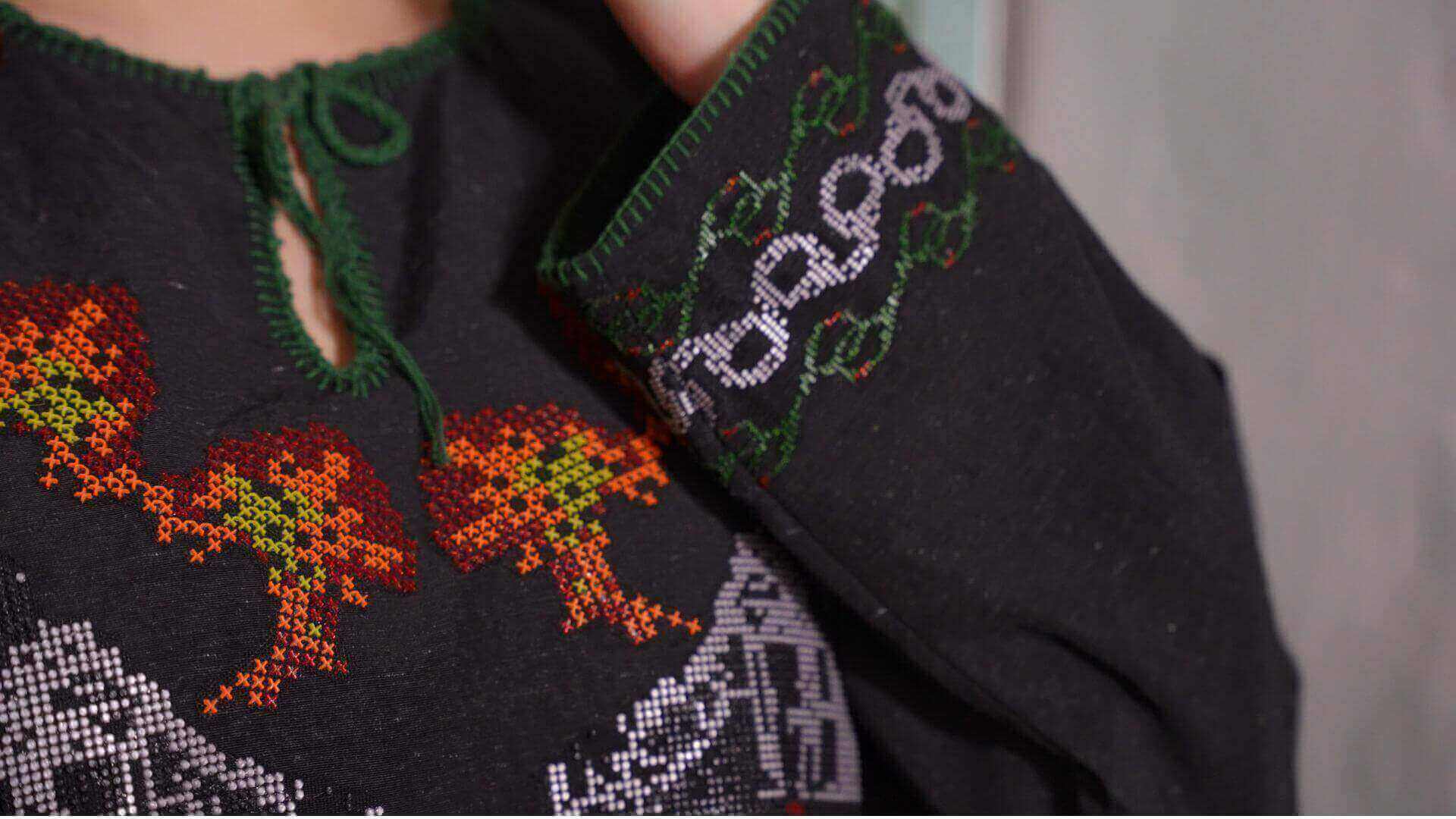
Tatreez — Palestinian cross-stitch embroidery — is one of the oldest documented textile traditions in the world; its patterns once identified a woman's village, her family, her story. The art of embroidery in Palestine was inscribed on UNESCO's Intangible Cultural Heritage list in 2021 - recognition, but also a warning: the craft is fragile.
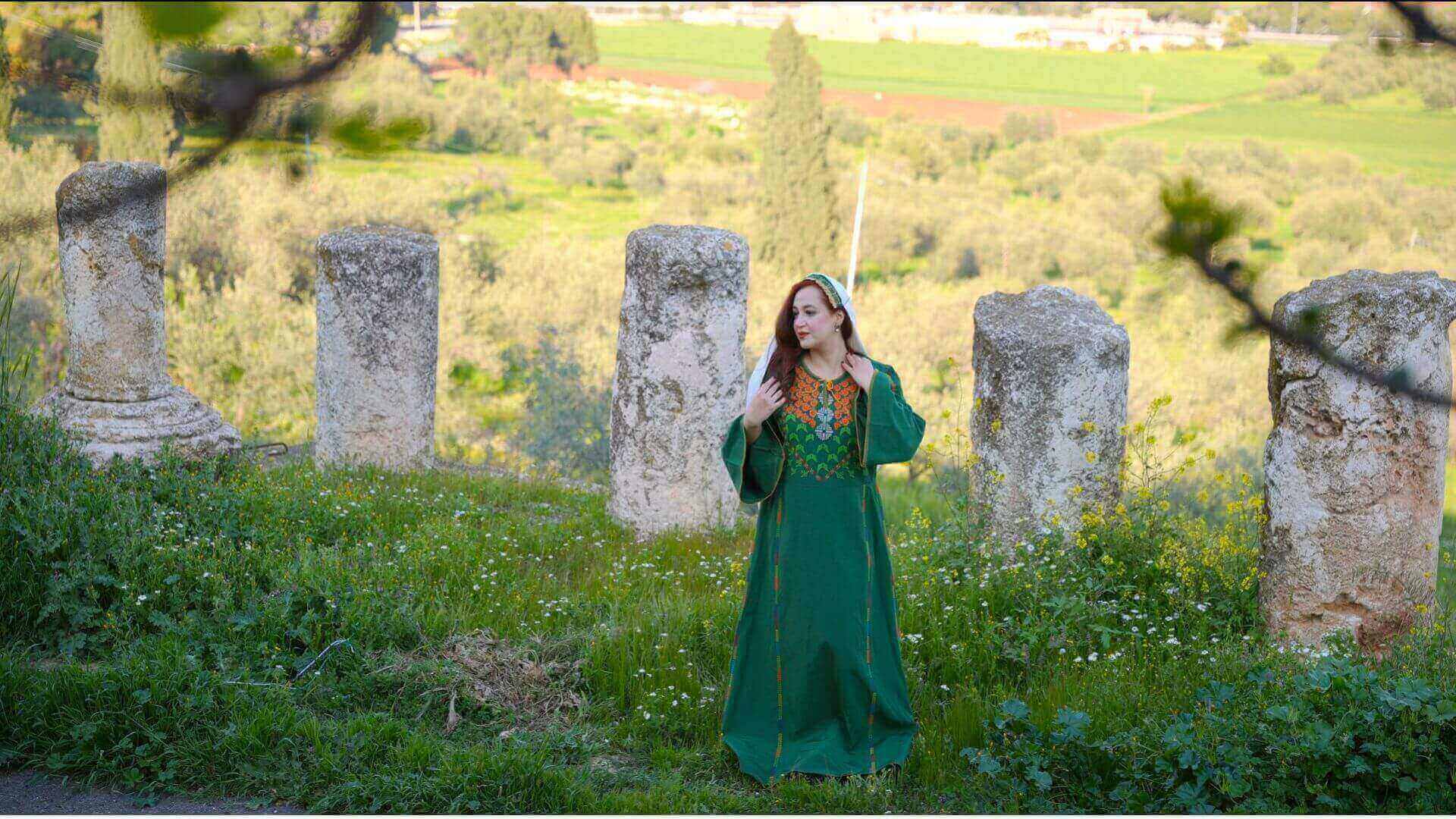
Doa'a's project Recoded Tatreez ("a story of thousands of stories") turns the thobe (the traditional embroidered dress) into an intelligent record: a documentation system where "the stitch becomes a living data platform that tells thousands of stories that have not yet been told."
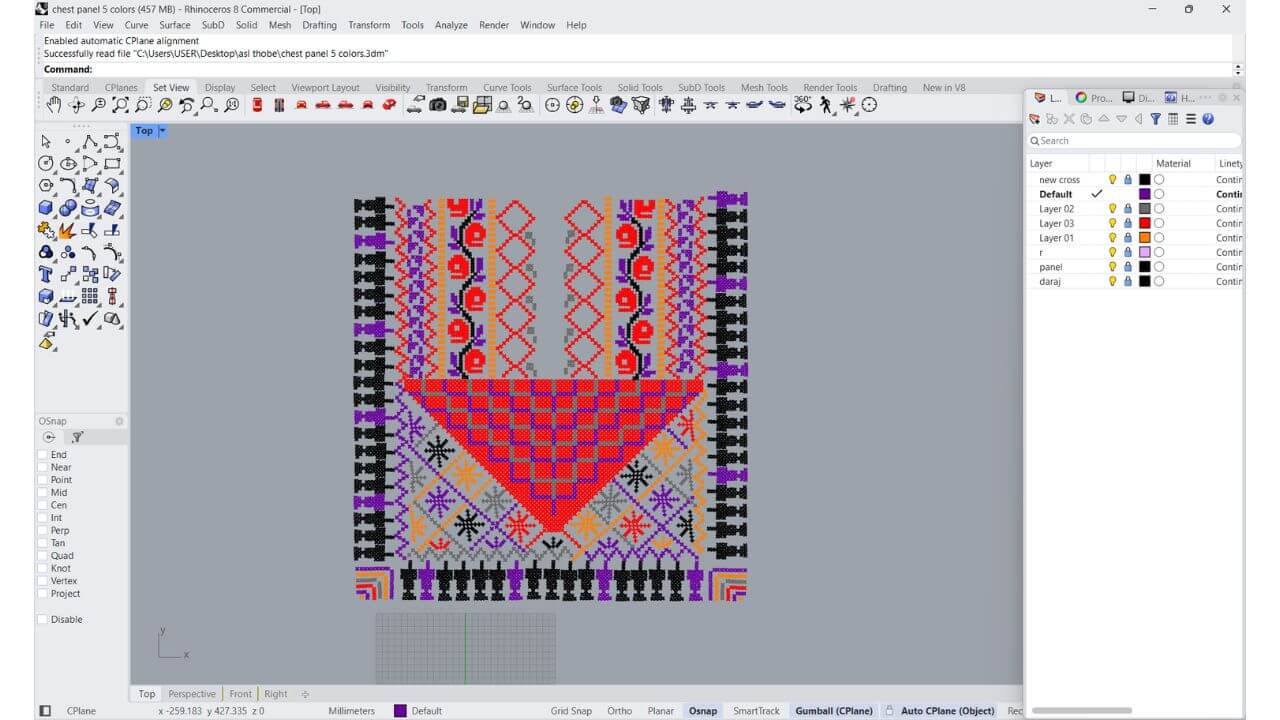
The intention matters as much as the technique: "not to replace the human hand that created them, but to enhance the resilience of this craft against extinction."
> Explore Recoded Tatreez - full documentation
Gratitude Loom & Threads Heritage: weaving, coded
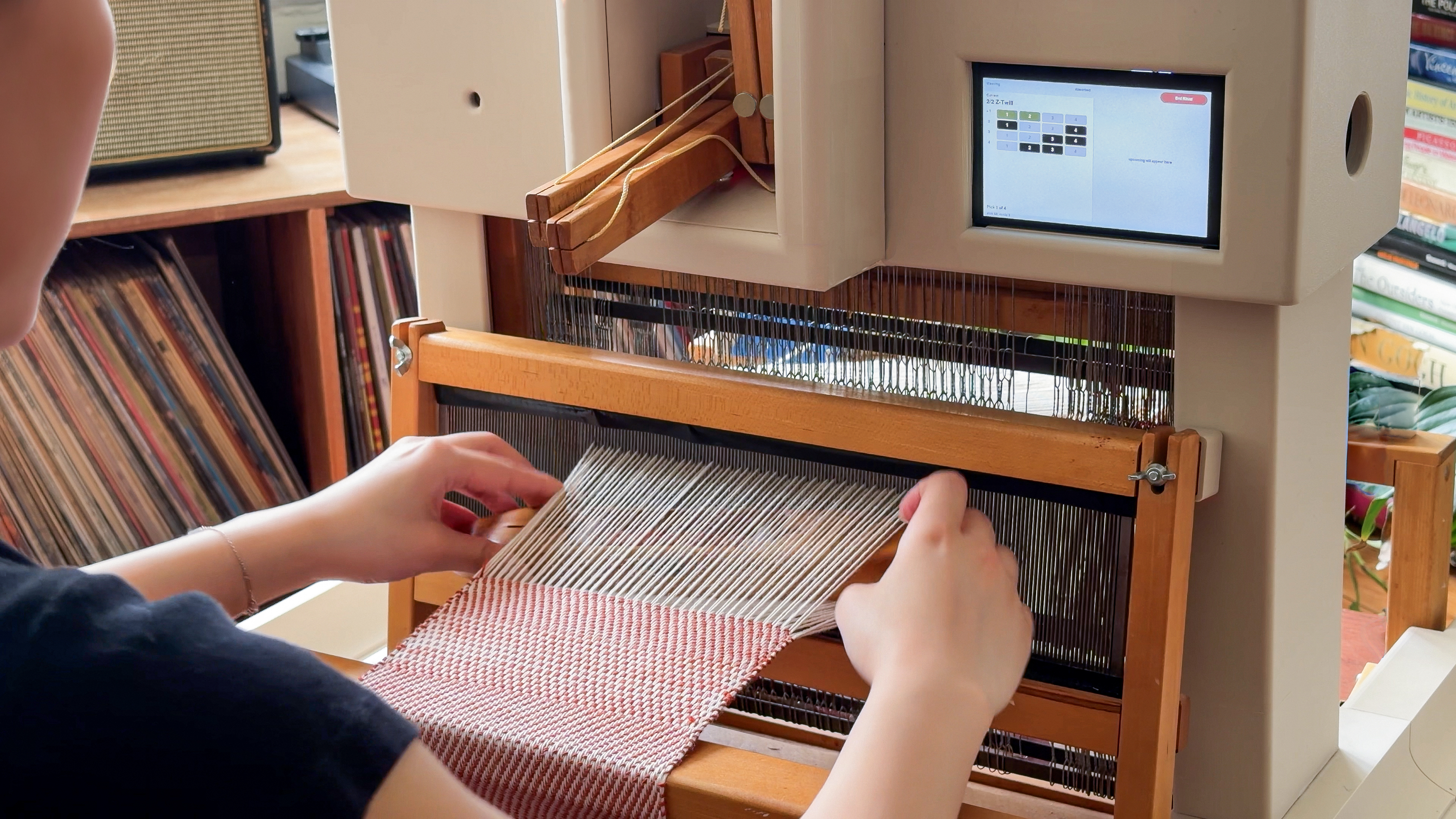
The loom was the first computer — Jacquard's punched cards (1804) are the direct ancestor of the data card and the program. Two projects make that lineage visible:
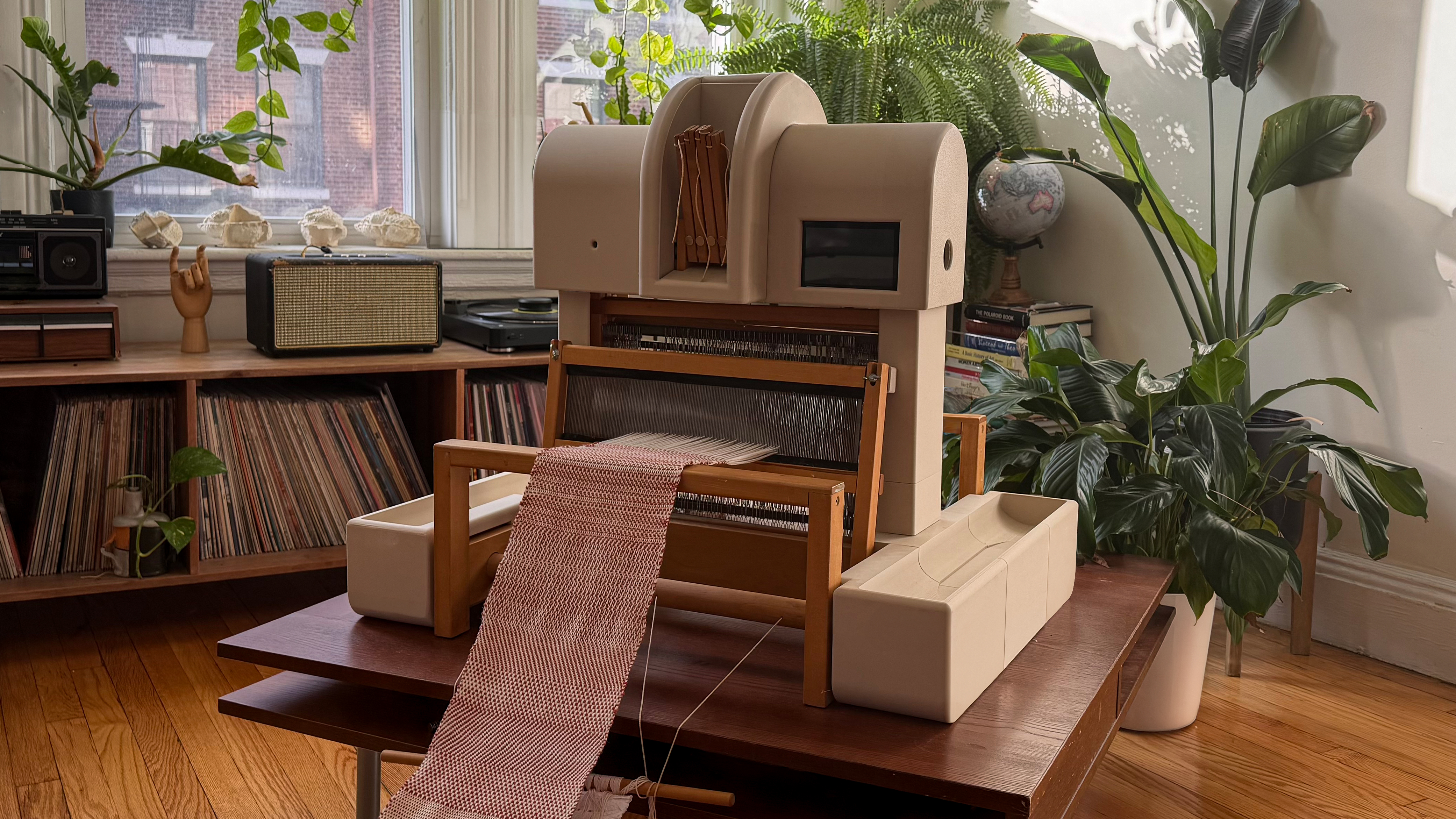
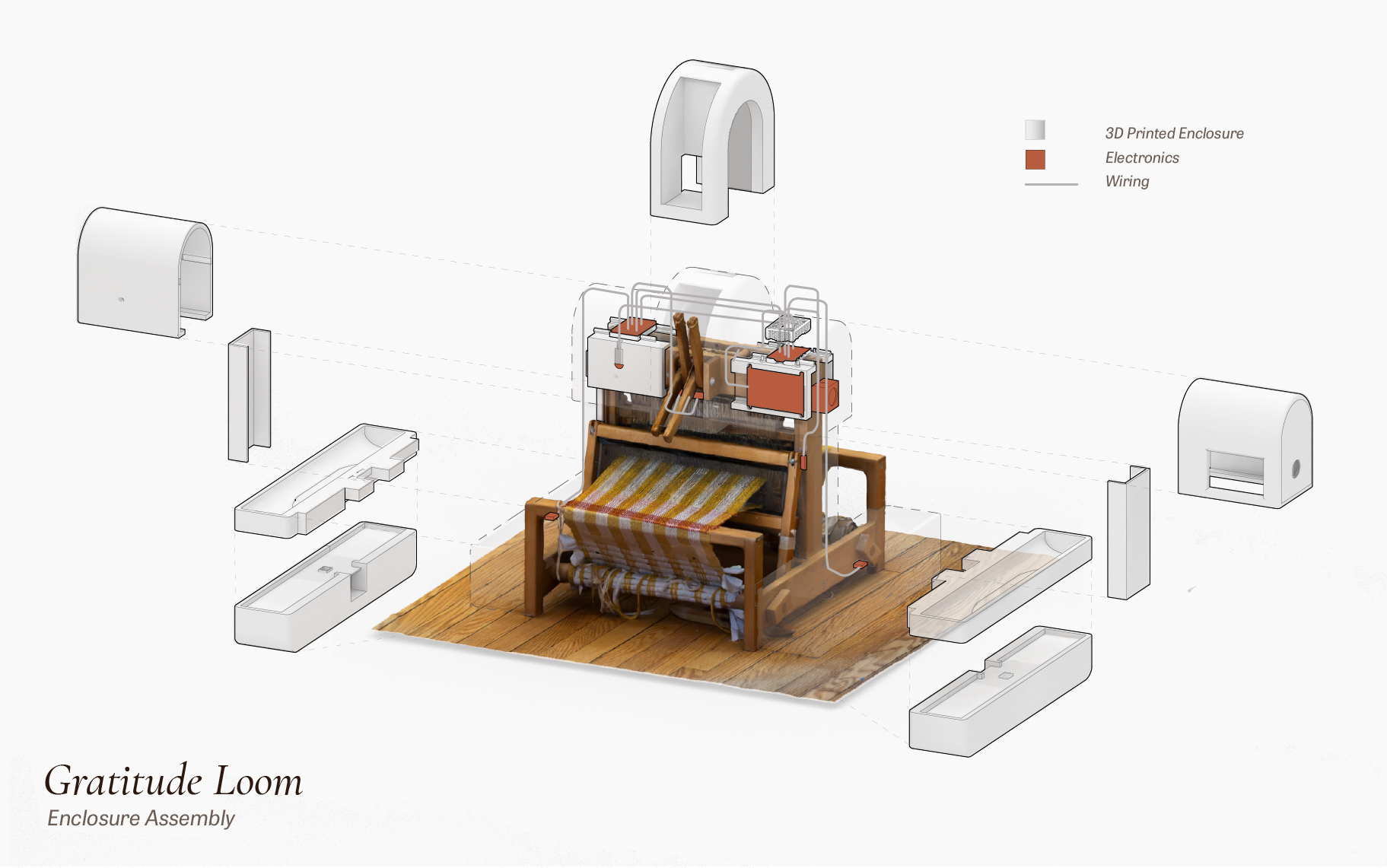
- Gratitude Loom — Porpla Kittisapkajon (Fabricademy 2025-26): a ritual weaving instrument where the loom itself becomes a sensor of presence. Hall-effect sensors read the rhythm and attentiveness of every throw of the shuttle; a cloud-based pattern matrix responds. Sustained presence deepens the weave, distraction simplifies it. Craft, in this project, is not replaced by intelligence: it listens to it.
Murjan: a coral reef, printed in clay
Haneen Khaleel (Fabricademy 2025-26, Jordan)
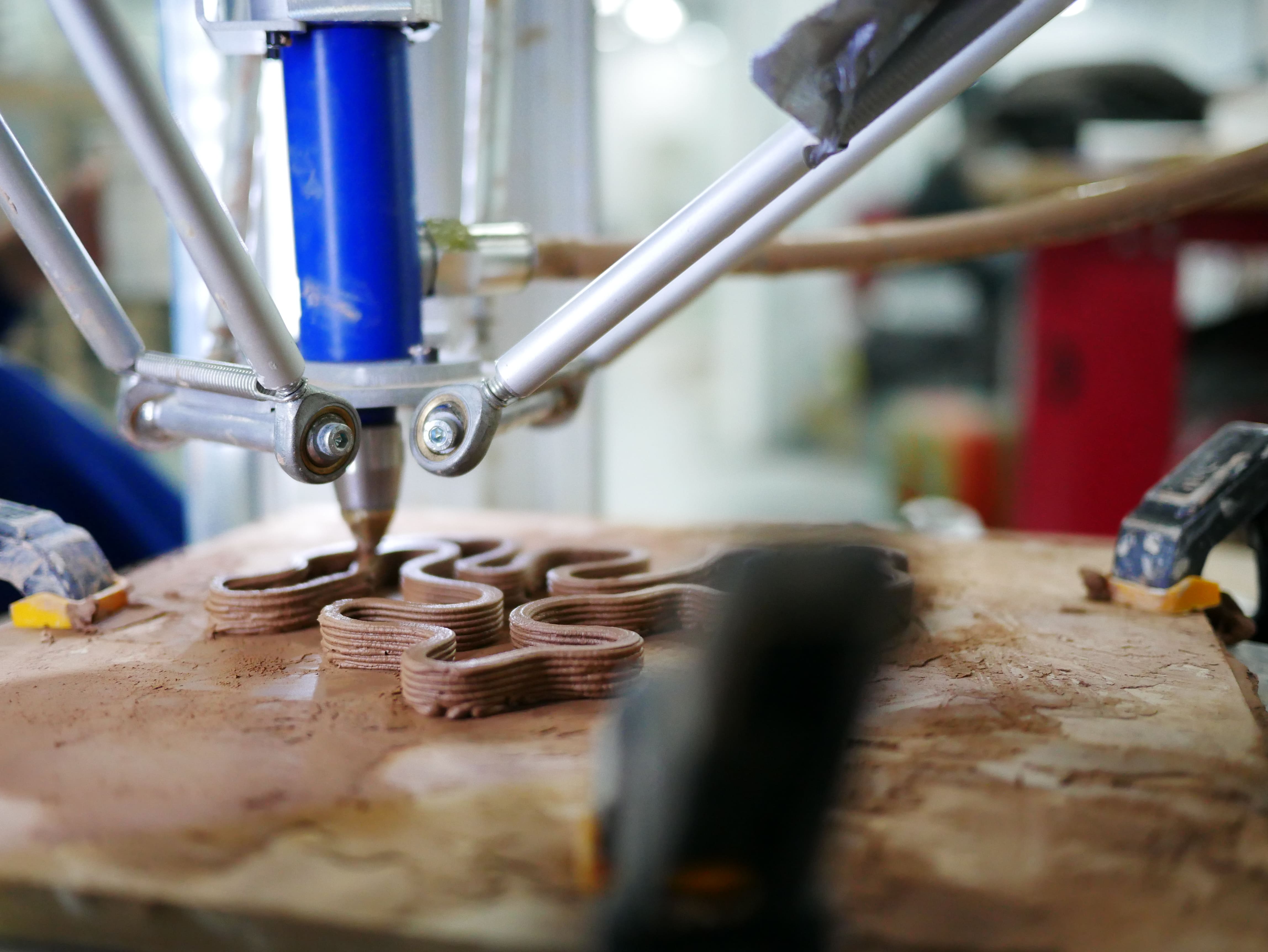
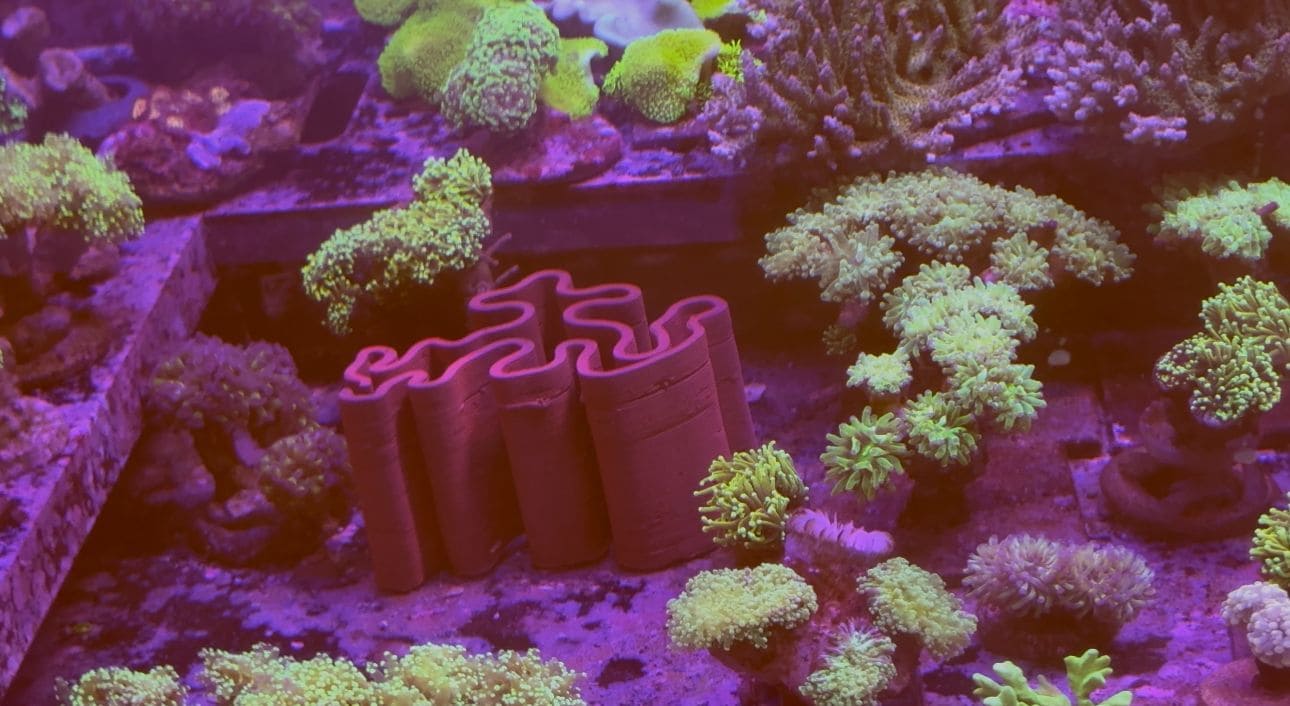
Heritage isn't only about what our grandmothers made. It's also about the places that made us. Murjan (مرجان, "coral") is Haneen's project for the coral reefs of Aqaba, Jordan: a 3D-printed clay reef prototype for marine ecosystem restoration, built on a WASP 2040 clay 3D printer.
The project fuses architecture, computational design and fabrication into a low-carbon, biodegradable, locally-sourced material clay that gives coral larvae a surface to attach, grow and colonise. The form itself is generated from coral morphology: the shape of the reef is derived from the thing it is meant to shelter.
Why this matters now
-
Heritage is disappearing faster than we document it. UNESCO's Intangible Heritage lists grow every year — each inscription is a rescue operation.
-
The tools are finally cheap and open. Clay printers like the WASP, open-source looms and electronic thread cost what a sewing machine used to. The barrier between the craftsperson and the machine has collapsed.
-
The market is asking for meaning. Consumers and brands are tired of "sustainability" as a label; they respond to objects with a story that can be verified. A thobe whose stitches carry data is both.
Fabricademy participants train exactly this dual fluency: 13 projects in 13 weeks across digital fabrication, textiles and biology, guided by global experts and local mentors in 40+ labs worldwide — from Amsterdam to Amman, Boston to Puebla. You can study at a lab close to you, or from your home/lab!

Applications for the next cycle, beginning this September are still open!
Mainstream references: S. Lee, "Grow your own clothes" (TED2011) · D. Charny, Power of Making (V&A/Crafts Council, 2011) · Dezeen 3D-printing & coral-restoration coverage · WASP clay printing / construction 3D printing · B. Greer, Craftivism: The Art of Craft and Activism (2014) · UNESCO ICH, The art of embroidery in Palestine (2021).
Academic references: R. Sennett, The Craftsman (Yale University Press, 2008) · I. Posch, "The Matter of Tools" (ACM DIS 2020) · L. Jones et al., "Exploring Stitch Samplers as Contextual Instructions" (ACM DIS 2022) · Ueda et al., "Gathering Textiles at CHI" (2025).*